
Signs of Intestinal Blockage in Dogs
When a dog experiences an intestinal blockage, it means something is preventing food, fluid, or gas from passing normally through the digestive tract. The signs of intestinal blockage in dogs can appear suddenly or develop over several hours, depending on the cause and severity. Because blockages can quickly become life-threatening, recognizing the early warning signs is essential. If your dog is vomiting, lethargic, refusing food, or showing abdominal pain, contact your veterinarian or call Rise Pet Health in Laguna Hills, CA, at (949) 787-7473 for prompt care.
What Happens When a Dog Has an Intestinal Blockage
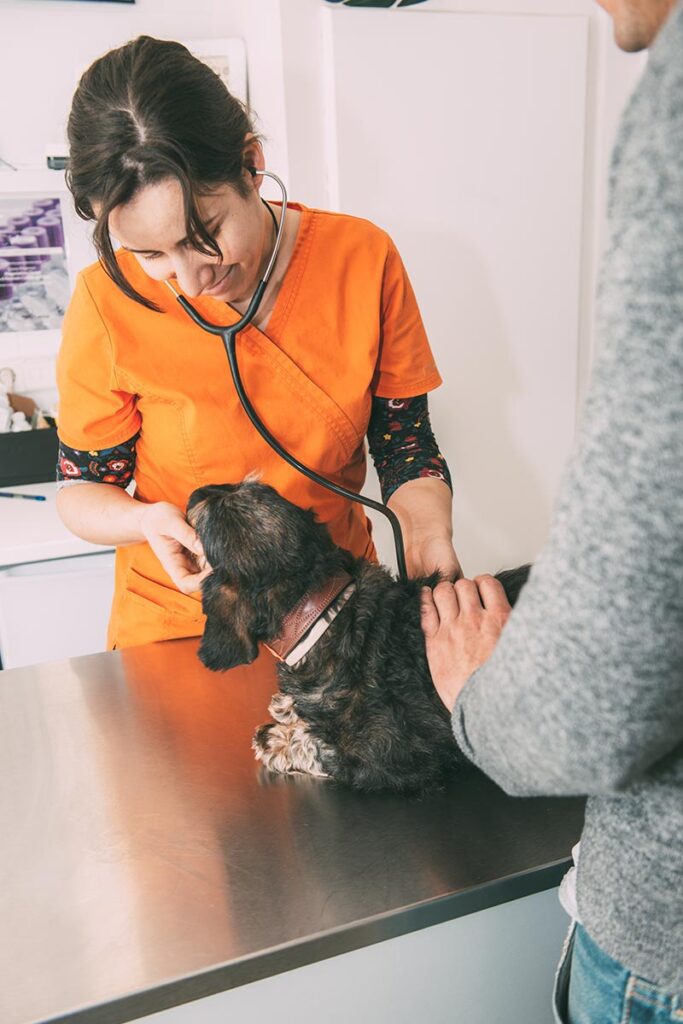
An intestinal blockage, also called a gastrointestinal obstruction, occurs when a foreign object or internal issue prevents the digestive system from functioning normally. When this happens, food and liquids can’t move through the intestines properly, leading to pain, dehydration, and potentially severe complications.
Blockages may occur anywhere along the gastrointestinal tract, but the small intestine is the most common site. Dogs of any age or breed can develop an obstruction, although curious puppies and those prone to chewing objects are at higher risk. The condition can progress quickly, so pet owners should be aware of the signs of intestinal blockage in dogs to take swift action.
Common Causes of Intestinal Blockages
A variety of factors can lead to intestinal blockages in dogs. Understanding these causes can help pet owners recognize potential dangers before they become serious.
Foreign Objects
The most frequent cause of a blockage is ingestion of a non-food item. Dogs often chew and swallow objects such as:
- Socks, underwear, and towels
- Bones or rawhide
- Toys or toy fragments
- Corn cobs, fruit pits, or sticks
These items can get lodged in the stomach or intestines, especially if they are too large to pass naturally.
Tumors and Structural Disorders
Intestinal tumors, whether benign or malignant, can narrow or obstruct the intestinal lumen. Structural problems such as intestinal twisting (volvulus) or hernias can also disrupt normal intestinal movement and typically require urgent surgical intervention.
Parasitic Disease
Heavy parasite burdens may contribute to gastrointestinal illness or motility disturbances, but true mechanical obstruction from parasites is uncommon in most household dogs receiving routine veterinary care.
Twisted Intestines or Hernias
In some cases, intestinal blockages result from structural issues, such as twisted intestines (volvulus) or hernias, where a portion of the intestine slips into an abnormal position. These conditions often require immediate surgical intervention.
Early Signs of Intestinal Blockage in Dogs
Spotting the signs of intestinal blockage in dogs early is critical for their well-being. Symptoms can vary based on the location and severity of the obstruction but typically include noticeable behavioral and physical changes.
Vomiting and Nausea
Frequent vomiting, especially after eating or drinking, is one of the first and most consistent signs. Some dogs may vomit multiple times without relief. If the blockage is complete, vomit may contain bile or a foul odor.
Loss of Appetite
A dog with an intestinal blockage will often refuse food or treats. Even dogs with partial blockages may eat small amounts but soon vomit afterward.
Abdominal Pain or Swelling
Dogs experiencing abdominal discomfort may whine, pace, or assume a “praying position” (with their front legs extended and rear end raised) to relieve pressure. The abdomen may feel firm, tight, or bloated.
Lethargy and Weakness
Lack of energy, sluggish behavior, and reluctance to play or move can indicate that your dog is unwell. These symptoms often accompany dehydration and nutrient loss caused by vomiting or diarrhea.
Changes in Bowel Movements
Dogs may strain to defecate or be unable to pass stool. Some may produce small amounts of watery diarrhea as liquid moves around the obstruction. A complete lack of bowel movement is an urgent red flag. If your dog exhibits any of these signs of intestinal blockage in dogs, contact Rise Pet Health in Laguna Hills right away for evaluation.
How Veterinarians Diagnose Intestinal Blockages
When you bring your dog to the veterinarian, a combination of physical exams and diagnostic tests will help determine the cause and location of the blockage.
 Physical Examination and Medical History
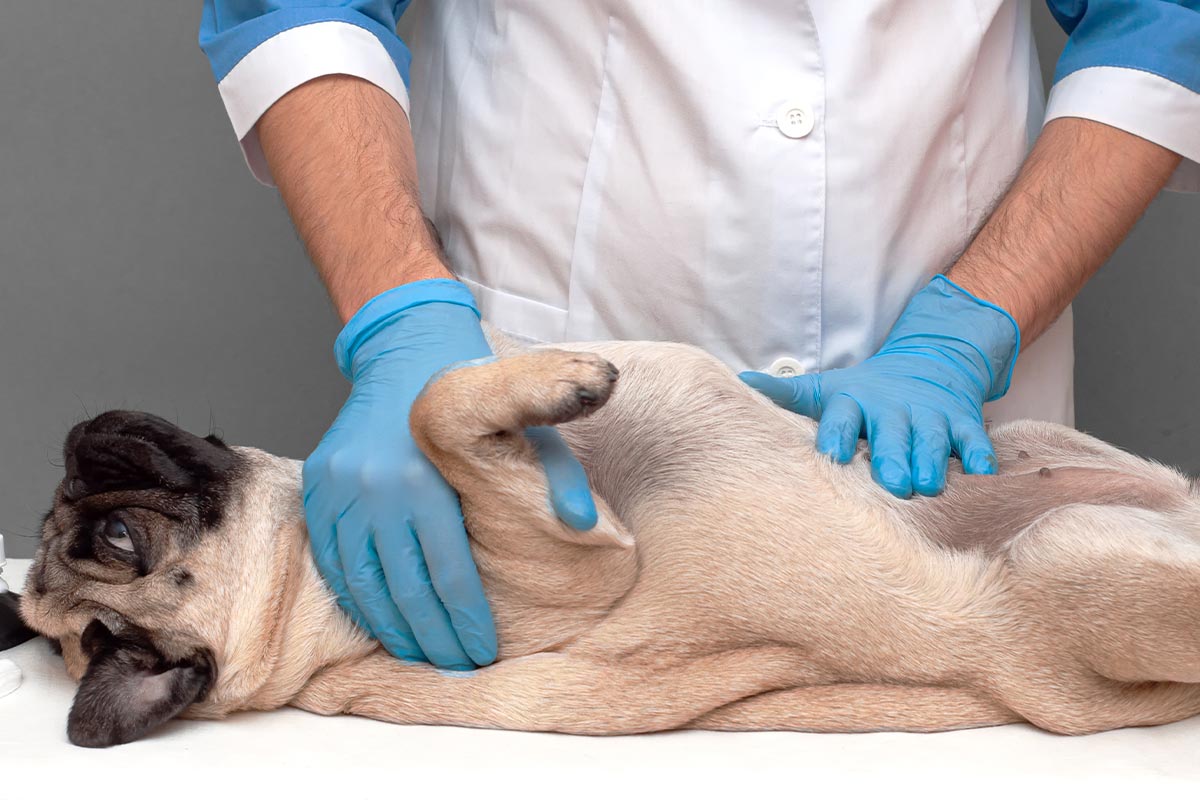
Your veterinarian will begin by palpating your dog’s abdomen and asking questions about their eating habits, behavior, and recent activity. Details about any potential ingestion of foreign objects are extremely valuable.
Imaging Tests
Diagnostic imaging is the most effective way to identify the source of a blockage.
- X-rays can reveal the presence of foreign objects, trapped gas, or abnormal intestinal shapes.
- Ultrasounds provide detailed views of soft tissues and can help confirm whether surgery is needed.
- Endoscopy may be appropriate in select cases. If a foreign body obstruction involves the stomach or upper part of the small intestinal tract, retrieval by endoscopy may be possible.
Bloodwork and Additional Testing
Blood tests help evaluate your dog’s hydration status, electrolyte balance, and organ function. This information helps veterinarians prepare for potential treatment or surgery.
Treating Intestinal Blockages in Dogs
Treatment for intestinal blockages depends on the type, location, and severity of the obstruction. Because this condition can worsen quickly, immediate veterinary care is essential.
Hospitalization and Supportive Care
Partial obstructions may be managed with hospitalization, IV fluids, anti-nausea medications, and careful monitoring. Progression is reassessed frequently, as deterioration can occur quickly.
Surgical Removal
If the obstruction does not pass or is causing significant distress, surgery is often necessary. During the procedure, your veterinarian removes the foreign object and examines the intestines for damage. In severe cases, a small portion of the intestine may need to be removed to restore normal function.
Post-Surgical Recovery
After surgery, dogs usually stay in the hospital for observation. They receive pain management, IV fluids, and a gradual reintroduction to food. Most dogs recover well with proper postoperative care and follow-up visits.
Preventing Intestinal Blockages in Dogs
While not all cases are preventable, pet owners can take proactive steps to reduce the risk of blockages.
Monitor Playtime and Chewing Habits
Keep an eye on what your dog chews, especially if they have a tendency to destroy toys or eat household objects. Choose size-appropriate, durable chew toys designed for safe play.
Keep Foreign Objects Out of Reach
Store laundry, garbage, and personal items like socks or hair ties where your dog cannot access them. Many blockages occur from dogs swallowing small, everyday items.
Feed an Appropriate Diet
Avoid giving your dog bones, corn cobs, or other foods that can splinter or get lodged in the digestive tract. Follow your veterinarian’s recommendations for safe treats and portion sizes.
Schedule Routine Veterinary Checkups
Regular exams at Rise Pet Health can help detect underlying issues such as tumors or hernias before they become serious. Preventive care is one of the most effective ways to protect your dog’s digestive health.
When Should You Call Rise Pet Health?
If your dog shows signs of intestinal blockage in dogs, such as repeated vomiting, loss of appetite, or abdominal pain, call Rise Pet Health in Laguna Hills, CA, at (949) 787-7473 immediately. Our experienced team provides progressive internal medicine to help your dog feel better and emergency care when necessary to prevent further complications. Acting quickly can make all the difference in your dog’s recovery and comfort.
Most Recent Posts
Signs of Intestinal Blockage in Dogs
When a dog experiences an intestinal blockage, it means something is preventing food, fluid, or gas from passing normally through the digestive tract. The signs of intestinal blockage in dogs can appear suddenly or develop over several hours, depending on the cause and severity. Because blockages can quickly become life-threatening, recognizing the early warning signs…