

Heat stroke in dogs can become life-threatening within minutes. Learn the signs of heat stroke in dogs, which breeds are most at risk, and how to prevent heat stroke in dogs this summer.

Paw pad burns are one of the most common warm-weather injuries in dogs. Learn how to prevent paw pad burns, spot the warning signs, and know when to seek emergency care.

Are rattlesnakes deadly to dogs? Learn what a rattlesnake bite on a dog looks like, the symptoms to watch for, and when to seek emergency veterinary care.

Brachycephalic dogs are some of the most beloved companions in the world, but their distinctive flat-faced anatomy comes with a set of health challenges that every owner deserves to understand. Common health issues in brachycephalic dogs range from respiratory difficulties to eye and dental problems, and many of these conditions are present from birth or…

Brachycephalic dogs bring so much joy to their owners, but their unique anatomy means hot weather calls for a little extra knowledge and preparation to keep them safe and comfortable. If you have a flat-faced breed like a French Bulldog, Bulldog, Pug, or Boston Terrier, knowing how to protect your dog from heat-related illness is…

The signs of cancer in dogs include unexplained lumps or bumps, sudden weight loss, non-healing wounds, changes in appetite, difficulty breathing, and swollen lymph nodes, among others. Cancer is the leading cause of disease-related death in dogs over the age of ten, and it is diagnosed in an estimated six million dogs in the United…
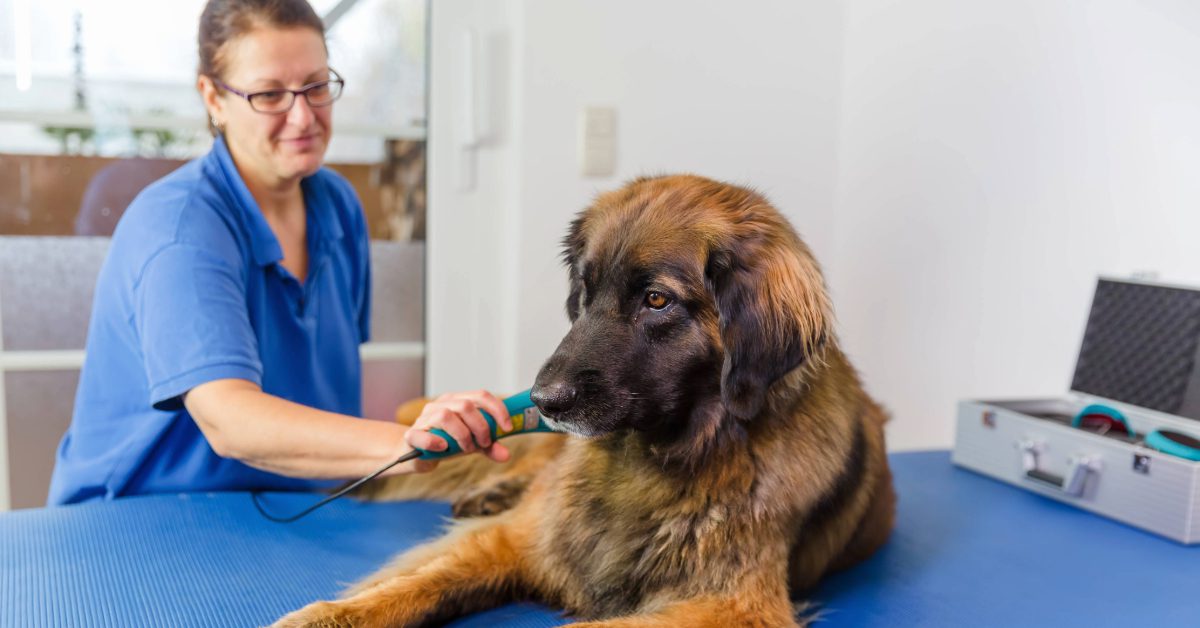
If your dog is dealing with pain, a slow-healing wound, or a chronic condition like arthritis, laser therapy for dogs may be a treatment option you haven’t yet considered but should. Cold laser therapy for dogs, also called photobiomodulation therapy, is a non-invasive, drug-free treatment that uses targeted light energy to promote healing, reduce inflammation,…

Dog acupuncture works by inserting very thin, sterile needles into specific points on the body to stimulate the nervous system, trigger the release of natural pain-relieving compounds, and reduce inflammation at the cellular level. It sounds surprising, but veterinary acupuncture is one of the most rigorously studied integrative therapies in modern animal medicine, with real…

A lymphoma diagnosis in your dog is one of the most difficult things a pet owner can face. It is one of the most common cancers in dogs, and it can feel overwhelming to navigate the information, the treatment options, and the emotional weight that comes with it. Lymphoma in dogs is a cancer of…

Dog diarrhea is not always an emergency, but it can be, and the difference matters. While a single bout of loose stools is often the result of something minor like a dietary change, persistent diarrhea, bloody stool, or diarrhea paired with vomiting or lethargy can signal a serious condition that needs prompt veterinary attention. Every…