
Brachycephalic Dog Safety in Hot Weather
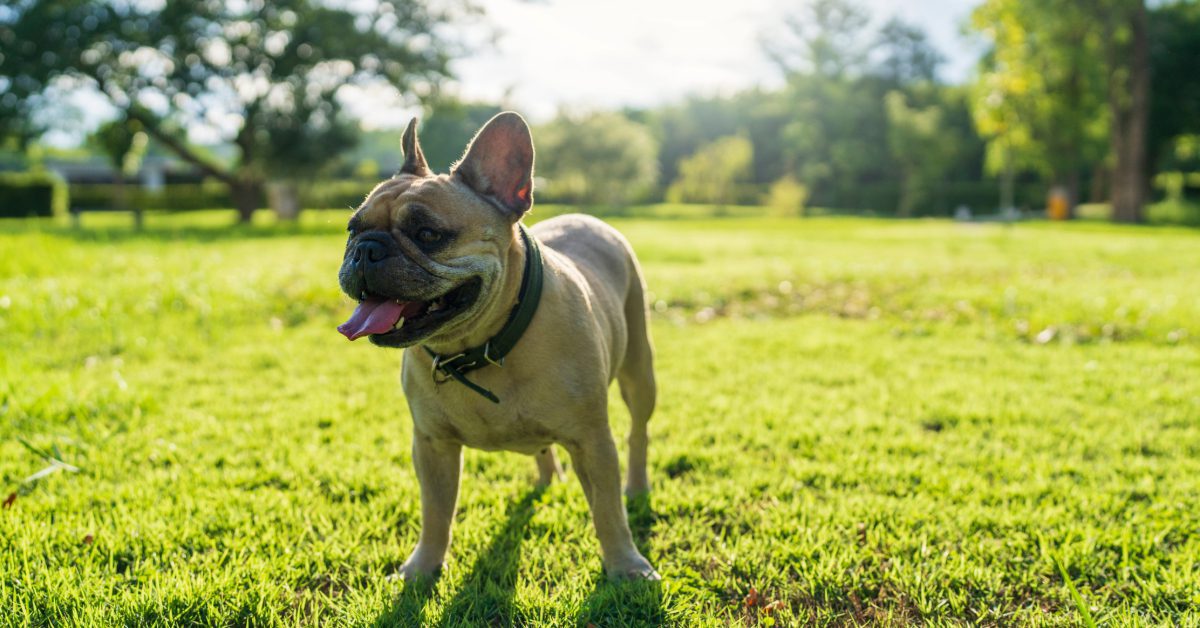
Brachycephalic dogs bring so much joy to their owners, but their unique anatomy means hot weather calls for a little extra knowledge and preparation to keep them safe and comfortable. If you have a flat-faced breed like a French Bulldog, Bulldog, Pug, or Boston Terrier, knowing how to protect your dog from heat-related illness is one of the most important things you can do as a pet owner. Brachycephalic dog safety in hot weather starts with understanding why these breeds overheat faster than others and what warning signs demand immediate veterinary attention.
Why Are Brachycephalic Dogs More Vulnerable to Heat?
The term “brachycephalic” refers to dogs with shortened skulls and flattened facial structures. While this gives breeds like Pugs, French Bulldogs, English Bulldogs, Shih Tzus, and Boxers their adorable appearance, it also creates a set of anatomical challenges that make regulating body temperature genuinely difficult.
Dogs primarily cool themselves through panting. As air moves through the nasal passages and throat, moisture evaporates and heat is released. Brachycephalic breeds have narrowed nostrils, elongated soft palates, and compressed airways that restrict this cooling process significantly. Even under normal conditions, these dogs work harder to breathe. In high heat and humidity, that effort becomes dangerous very quickly.
Brachycephalic Obstructive Airway Syndrome (BOAS)
Many flat-faced dogs have a condition called Brachycephalic Obstructive Airway Syndrome, or BOAS. This syndrome describes a combination of upper airway abnormalities, including stenotic nares (narrow nostrils), an elongated soft palate, a hypoplastic trachea, and everted laryngeal saccules that collectively reduce airflow. Dogs with BOAS are at significantly elevated risk during hot weather because they simply cannot move air efficiently enough to compensate for rising body temperature. If your brachycephalic dog has been diagnosed with BOAS, your primary veterinarian can guide you on how to manage their safety year-round and may refer you to a specialist like the team at Rise Pet Health in Laguna Hills for advanced evaluation and care.
What Temperature Is Too Hot for Brachycephalic Dogs?
This is one of the most common questions pet owners ask, and the honest answer is: lower than you’d expect. While a healthy, athletic dog might tolerate moderate outdoor activity in 75–80°F weather, brachycephalic breeds can begin to overheat in temperatures as mild as 70°F if conditions are humid or if they are exercising. In Laguna Hills and throughout Orange County, summer temperatures regularly climb into the mid-to-upper 80s and beyond. On those days, brachycephalic dog safety in hot weather requires proactive planning, not reactive management.
Humidity Makes It Worse
Heat index, which is the combination of temperature and humidity, matters more than temperature alone. High humidity prevents effective evaporation from the airways, which undermines panting even further. On humid summer days in Southern California, brachycephalic dogs should spend the bulk of their time in air-conditioned environments.
Recognizing Heat Stress in Flat-Faced Dogs
Knowing the signs of heat stress in brachycephalic dogs can be the difference between a close call and a life-threatening emergency. These dogs often show distress earlier than other breeds, and their symptoms can escalate rapidly. The team at Rise Pet Health encourages every flat-faced dog owner to look out for these warning signs:
- Excessive, labored panting: louder or more frantic than usual, sometimes with a raspy or gurgling sound
- Bright red or pale gums: color changes in the gums signal cardiovascular stress
- Blue or purple discoloration to the tongue: a sign of inadequate oxygenation requiring immediate veterinary attention
- Thick, ropy saliva: a sign of dehydration and heat stress combined
- Stumbling or disorientation: indicates the heat is affecting neurological function
- Vomiting or diarrhea: the gastrointestinal system often reacts quickly to heat stress
- Sudden collapse or unresponsiveness: a veterinary emergency requiring immediate care
If your dog shows any of these signs, move them to a cool environment immediately and contact your primary veterinarian or an emergency veterinary clinic without delay. Do not wait to see if the symptoms improve on their own.
When Is Heat Distress in a Brachycephalic Dog an Emergency?
Heat stress can progress to heat stroke faster in brachycephalic dogs than in other breeds. Heat stroke occurs when a dog’s core body temperature rises above 104°F and the body can no longer self-regulate. At 106°F or higher, organ damage begins. This is a true emergency.
Signs that require emergency veterinary care right away include collapse, unresponsiveness, continuous vomiting, bloody diarrhea, seizures, or extreme lethargy combined with rapid breathing. If your flat-faced dog is showing any combination of these symptoms after heat exposure, contact your primary veterinarian immediately or proceed to an emergency animal hospital like Rise Pet Health in Laguna Hills.
Safe Exercise Guidelines for Brachycephalic Dogs in Warm Weather
Exercise is still important for flat-faced breeds. It supports healthy weight, joint health, and mental stimulation. The key is adjusting how and when you exercise your dog based on outdoor conditions. Brachycephalic dog safety in hot weather depends heavily on timing and environment.
Best Times to Walk a Brachycephalic Dog in Summer
Plan outdoor activity during the coolest parts of the day, typically before 9 a.m. and after 7 p.m. during summer months. Even then, keep walks short and watch your dog closely for signs of labored breathing. If your dog starts to slow down, pant heavily, or resist moving forward, that’s their body communicating that it’s time to head inside. Short, frequent walks are preferable to one long outing in the heat.
Indoor Activities to Keep Your Dog Active
On hot days, enrichment activities indoors are a smart alternative to outdoor exercise. Puzzle feeders, scent games, and short training sessions provide mental stimulation without the thermal risk. Indoor play in a climate-controlled space keeps brachycephalic dogs engaged without putting them at risk for heat-related illness.
Hot Weather Safety Essentials for Flat-Faced Breeds
Preparing your home and routine for warm weather makes a significant difference in keeping your brachycephalic dog safe. While your primary veterinarian will provide personalized guidance, here are the core safety practices that apply broadly to flat-faced breeds in Southern California’s climate.
- Keep your home air-conditioned as brachycephalic dogs should not be left in a home without climate control during warm weather
- Always have fresh water available, both indoors and during any outdoor outing
- Avoid midday and afternoon outings since the sun is most intense between 10 a.m. and 5 p.m.
- Never leave your dog in a parked car, even with windows cracked, temperatures inside vehicles rise to dangerous levels within minutes
- Use cooling mats or damp towels and placing a cooling mat in your dog’s favorite resting spot helps them regulate temperature
- Check pavement temperature by pressing the back of your hand to the pavement for 7 seconds; if it’s uncomfortable for you, it’s unsafe for your dog’s paws
Do Brachycephalic Dogs Need Special Veterinary Care for Heat Safety?
Yes, and it’s one of the most important conversations you can have with your veterinarian. Dogs with more severe airway compromise are at higher risk during hot weather, and in some cases, surgical correction of structural abnormalities can significantly improve a dog’s ability to breathe and thermoregulate.
Your primary veterinarian will evaluate your brachycephalic dog’s airway health and overall heat tolerance during routine exams, and can refer you to a specialty and emergency practice like Rise Pet Health when advanced intervention, including surgical options, is needed.
If your flat-faced dog is overweight, that further compounds heat risk. Excess body weight increases the effort required to breathe and move, which raises internal body temperature faster. Weight management is a great topic to bring up with your primary vet as part of a comprehensive approach to brachycephalic dog care.
Traveling With a Brachycephalic Dog in Hot Weather
Many flat-faced dog owners are surprised to learn that air travel poses specific risks for brachycephalic breeds, particularly in warm weather. Several major airlines have restricted or banned certain brachycephalic breeds from cargo holds due to heat-related fatalities. If you’re planning any travel with your dog during warmer months, speak with your primary veterinarian ahead of time. They can provide a health certificate if needed and advise on breed-specific travel precautions.
Road trips also require planning. Keep the vehicle air-conditioned throughout the journey, bring plenty of water, and schedule rest stops in shaded or cool areas. Never leave a brachycephalic dog unattended in a vehicle, even briefly.
What to Tell Your Primary Vet About Your Brachycephalic Dog’s Heat Tolerance
Open communication with your veterinarian is essential for managing brachycephalic dog safety in hot weather. At your next appointment with your primary veterinarian, be prepared to share the following observations, which help your vet understand your individual dog’s risk level:
- How loudly and frequently your dog pants during normal activity
- Whether your dog snores, grunts, or makes noisy breathing sounds at rest
- How quickly your dog tires on walks, especially in warm conditions
- Any previous episodes of heat distress, fainting, or respiratory difficulty
- Changes in exercise tolerance over time
This information helps your primary vet build a clear picture of your dog’s airway health and determine whether a referral to a specialist or emergency practice like Rise Pet Health is the right next step.
Protecting Your Flat-Faced Dog Through Every Warm Season
Brachycephalic dog safety in hot weather isn’t a one-time checklist. It’s an ongoing commitment that evolves as your dog ages, their weight changes, and their airway health develops over time. Southern California’s climate means warm weather is a reality for many months of the year, and flat-faced breeds require consistent, informed management to stay healthy.
When your flat-faced dog needs advanced care, the team at Rise Pet Health in Laguna Hills is here. Whether your Pug is showing signs of respiratory distress, your French Bulldog is struggling in the heat, or your English Bulldog needs urgent evaluation, we provide the specialized support brachycephalic dogs require. Call us at (949) 787-7473.
Most Recent Posts
Brachycephalic Dog Safety in Hot Weather
Brachycephalic dogs bring so much joy to their owners, but their unique anatomy means hot weather calls for a little extra knowledge and preparation to keep them safe and comfortable. If you have a flat-faced breed like a French Bulldog, Bulldog, Pug, or Boston Terrier, knowing how to protect your dog from heat-related illness is…