

Rise Pet Health Veterinary Oncology in Laguna Hills, CA
Exceptional Treatment and Exceptional Care

David Heller
DVM, MS, DACVIM
Board-Certified in Oncology

Jennifer Pierro
DVM, MS, DACVIM
Board-Certified in Oncology
Rise Pet Health is raising the bar in every dimension of Veterinary Oncology: expertise, cutting-edge equipment, collaboration and innovation. Our oncology team is led by Dr. David Heller and Dr. Jennifer Pierro, with a combined experience of nearly 40 years in clinical practice. As a newer specialty and emergency hospital, Rise is equipped with the most advanced technology and a dedicated support team ensuring your pet receives the highest quality care.
The Rise Oncology Difference
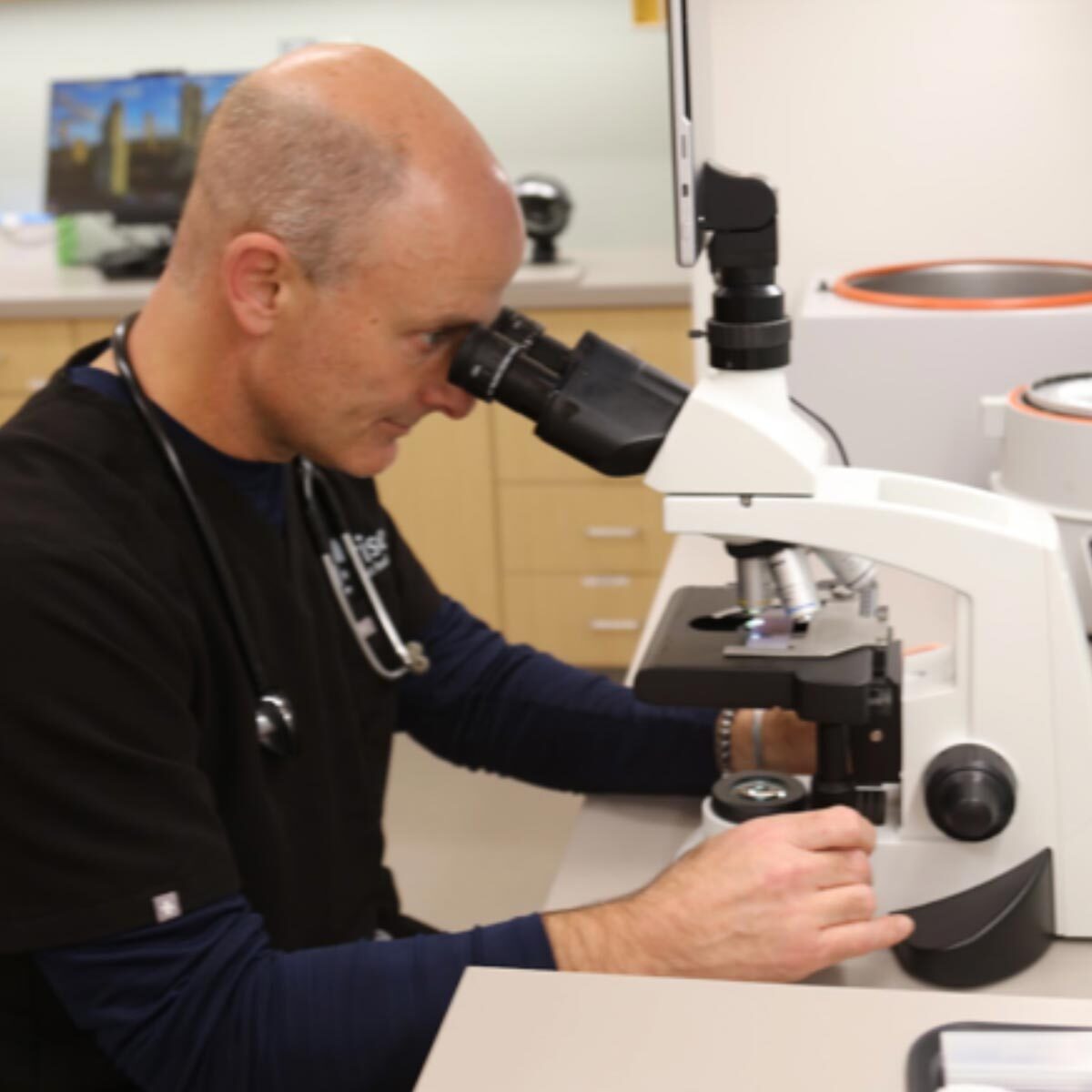
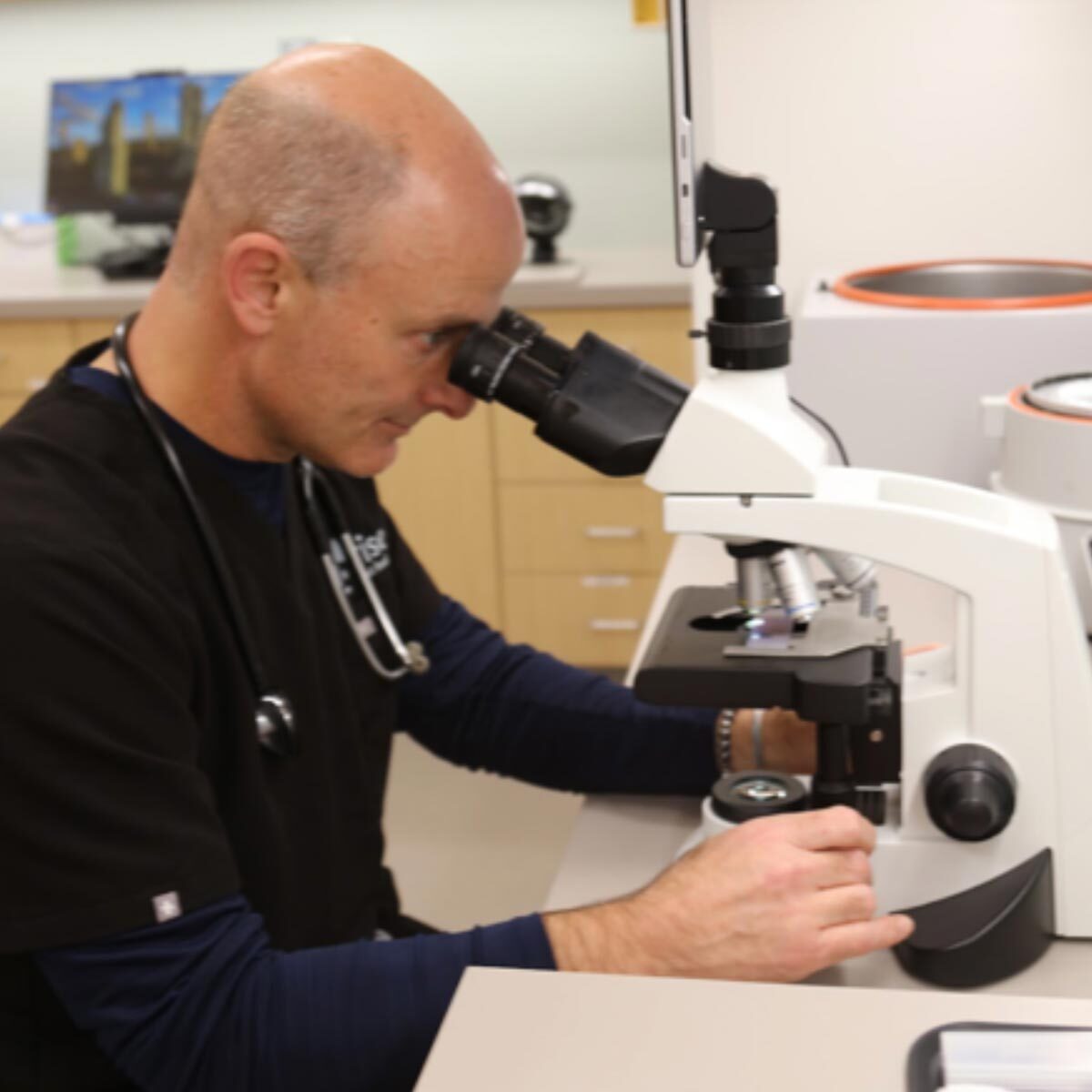

Compassionate Care is the ❤️ of What We Do
Providing compassionate care for our cancer patients and their human caregivers is our north star. We provide information in easy-to-understand terms with realistic goals and expectations.
At the Forefront of New Treatments
Our team is constantly evaluating new diagnostics and treatments for our cancer patients. Some of the latest diagnostic innovations that we utilize include chemotherapy sensitivity testing of lymphomas and genetic sequencing of various tumors.
Caring for Your Pet with Cancer is a Team Sport
One huge benefit at Rise is the direct access to our team of specialists. Cancer is a multi-dimensional disease. Working together with our boarded doctors in surgery, internal medicine and neurology allows us to truly attend to the holistic needs of your pet. We also work in collaboration with your primary veterinarian to ensure continuity of care.
Advanced On-site Diagnostics
Rise Pet Health is a newly built specialty and emergency hospital equipped with advanced technology, including MRI, CT, digital fluoroscopy, digital X-ray and ultrasound. Our on-site diagnostics eliminate the need for outside referrals and support accurate diagnosis and prognosis for your pet.
Emergency and Critical Care Support
Should your pet require emergency or critical care, Rise provides prompt, 24/7/365 care in our ICU, overseen by our board-certified Critical Care specialists.
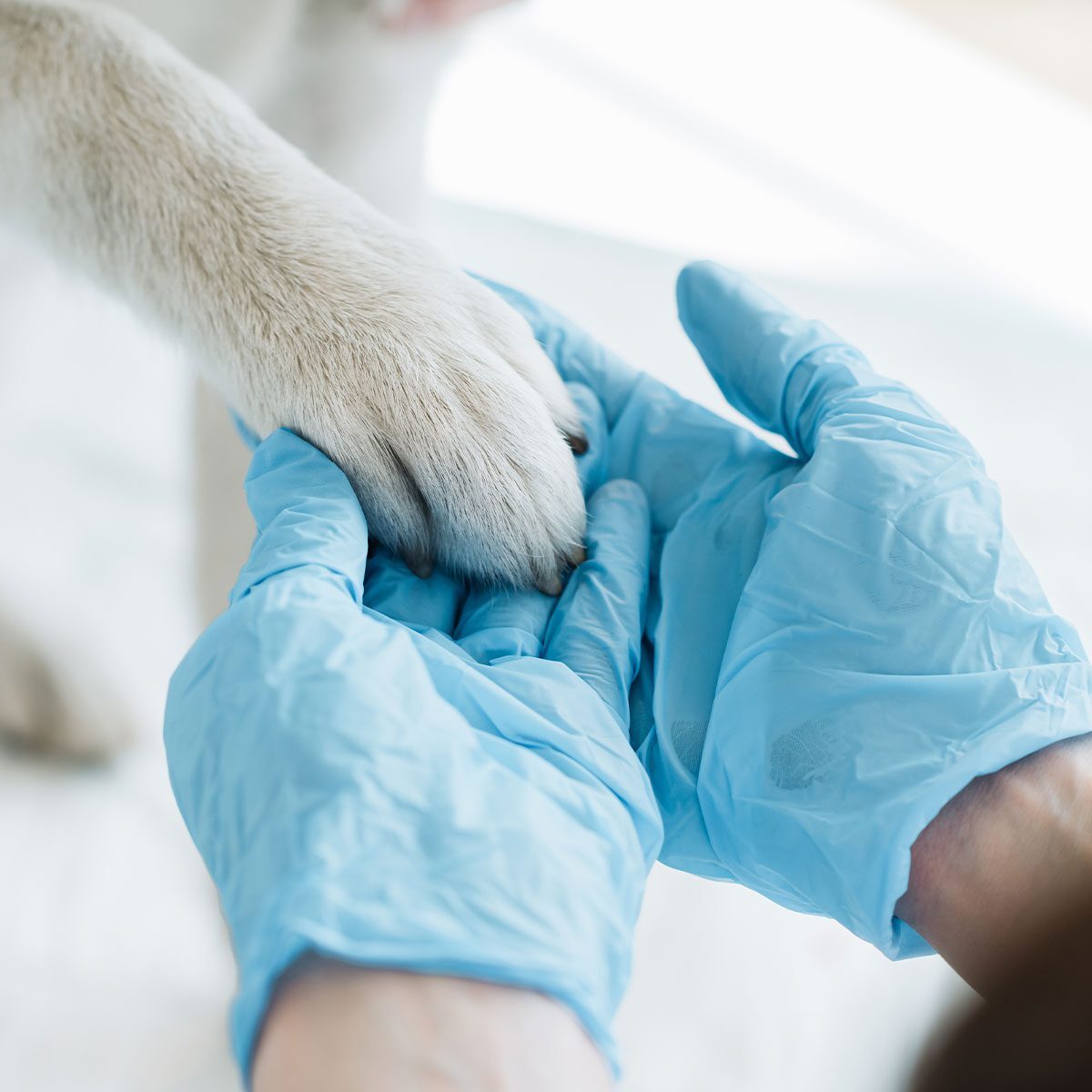
Rise Veterinary Oncology Services in Laguna Hills, CA
Diseases We Treat
-
Lymphoma and leukemia
(B and T cell lymphoma, acute and chronic leukemia)
-
Mast cell tumors
(Low and high grade mast cell tumors)
-
Hemangiosarcoma
(Blood vessel tumors of the spleen, liver, heart, skin and other sites)
-
Osteosarcoma and all forms of bone cancer
(Including osteosarcoma, hemangiosarcoma, fibrosarcoma and others)
-
Liver and biliary tumors
(Hepatocellular carcinoma, biliary carcinoma, cholangiocarcinoma and others)
-
Malignant melanoma
(Including oral melanoma, cutaneous melanoma, nailbed melanoma and other sites)
-
Anal sac carcinoma
(Apocrine gland anal sac carcinoma, both primary and metastatic tumors)
-
Lung tumors
(Including lung metastasis, pulmonary carcinoma, pulmonary histiocytic sarcoma, thymoma, lymphoma and others)
-
Squamous cell carcinoma
(Occurring in the skin, mouth and other sites)
-
Histiocytic sarcoma
-
Soft tissue sarcoma
(Low, intermediate and high-grade soft tissue sarcomas including fibrosarcoma, nerve sheath tumor, myxosarcoma and others)
-
Bladder tumors
(Transitional cell carcinoma, urothelial carcinoma, and other bladder tumors)
-
Thyroid tumors
(Thyroid gland carcinoma, thyroid gland adenoma, functional and non-functional thyroid gland tumors)
-
Intestinal cancer
(Including intestinal carcinoma, intestinal lymphoma, leiomyosarcoma, gastrointestinal stromal tumors and others)
-
Oral tumors
(Oral melanoma, oral squamous cell carcinoma, oral fibrosarcoma, acanthomatous epulis and others)
Treatments
-
Chemotherapy
-
Immunotherapy including the canine melanoma vaccine, Gilvetmab, and Elias Cancer Immunotherapy (ECI)
-
Metronomic chemotherapy
-
Supplements and Nutrition
-
Monoclonal antibodies
-
Cancer vaccines
-
Electrochemotherapy (ECT)
-
Intratumoral injections
-
Tumor stenting
-
Molecularly targeted therapies that disrupt the specific pathways driving tumor growth, including kinase inhibitors such as Palladia (toceranib), DNA repair inhibitors, and anti-angiogenic agents
-
Palliative care
-
Pain management
Advanced Testing & Diagnostics
-
Oncology consultations and owner education
-
Diagnostic imaging for cancer staging with in-house access to Digital X-rays, Ultrasound, CT scan, MRI and Fluoroscopy
-
Cytology and biopsy procedures of internal and external tumors
-
Bone marrow sampling
-
Genetic sequencing of tumor DNA to guide precision, personalized therapy based on each patient’s unique cancer profile
-
PCR and flow cytometry testing for classification of lymphomas and leukemias
Lymphoma Care at Rise Pet Health
At Rise Pet Health, our oncology team brings focused experience and advanced treatments to pets diagnosed with lymphoma. We use the latest diagnostics and therapeutic tools to design a tailored treatment approach that fits your pet's needs. From chemotherapy protocols aimed at achieving remission to supportive care that helps maintain comfort and quality of life, we guide you through each step with clear communication and compassionate support.
For dogs:
Lymphoma is a cancer arising from white blood cells, also known as lymphocytes. These cells play an important part in the function of the immune system. Lymphocytes arise in the bone marrow, then they travel through the lymphatic system to the lymph nodes, where they reach maturity. Much of the lymphatic system lies within the gastrointestinal tract, though some lymph nodes can be felt externally. Because it extends throughout the body, lymphoma can develop anywhere.
Most dogs develop nodal lymphoma, also known as multicentric lymphoma. This form is typically classified as non-Hodgkin's lymphoma. This means that it is systemic and typically involves lymph nodes throughout the body. Most, but not all, types of canine lymphoma are high-grade, meaning they are cancers of immature lymphocytes. These are white blood cells that have suddenly stopped maturing, but are reproducing at a rapid rate. Most lymphocytes are either B cells or T cells, and they each have distinct functions. As in human lymphoma, about 80% of canine lymphoma is B cell variety.
Lymphoma can show up in different ways, depending on where the cancer is in the body. Owners often notice the following symptoms or behaviors:
- Firm, painless swelling of lymph nodes under the jaw, in the armpits, or behind the knees
- Unexplained weight loss
- Low energy
- Changes in appetite
- Increased thirst and urination
- Trouble breathing or swallowing
- Skin sores
- Abdominal distention
A diagnosis of lymphoma is usually made with a fine needle aspirate of a lymph node. We also need to do bloodwork (blood count, chemistry panel, urinalysis). In many cases, bloodwork is quite normal. We recommend staging tests (chest x-rays and abdominal ultrasound) to evaluate the extent of disease (staging). Occasionally a bone marrow sample is recommended, but this is not needed for most patients. We can determine the phenotype of lymphoma (B or T cell) using molecular diagnostics (flow cytometry, PCR) or biopsy with immunohistochemical stains. This is an important part of the diagnostic plan because the B or T cell designation is the most important prognostic factor in dogs. It can also help guide specific treatment recommendations.
Treatment for high-grade lymphoma involves a multi-agent protocol called CHOP. This is an acronym for the drugs that rotate weekly for up to 25 weeks. This protocol is the most effective for canine lymphoma, but there are others available. About 10-15% of dogs have side effects with treatment, and our goal is that they go into remission and have a good quality of life during therapy.
The prognosis for dogs who are untreated is about 1-2 months. With steroids such as prednisone alone, dogs can live 2-3 months. For all dogs undergoing CHOP chemotherapy (B and T cell), about 90% will go into remission, and there is an average life expectancy of approximately 1 year. B cell dogs do better, and T cell dogs generally do worse. 5-10% of dogs can experience a cure, meaning that they will never come out of remission. For those that come out of remission after treatment, we can re-treat them.
The important thing to keep in mind is that most cases of lymphoma are treatable and respond well to chemotherapy. Most dogs can survive longer while maintaining a good quality of life with lymphoma treatment. Please contact our Oncology Department to schedule a consultation if your dog has been diagnosed with lymphoma or has any of the signs described above.
For cats:
Lymphoma is the most common cancer diagnosed among cats. The disease arises from white blood cells (lymphocytes). These cells play an important part in immune system function. These cells are produced by the bone marrow, then they travel through the lymphatic system to the lymph nodes where they reach maturity. Most of the lymphatic system is in the gastrointestinal tract (inside the body), but some lymph nodes can be felt externally. The lymphatic system is located throughout the entire body, so lymphoma may arise anywhere.
Unlike dogs, most cats develop extra-nodal lymphoma (particularly gastrointestinal lymphoma), and the type of lymphoma we see in cats is generally non-Hodgkins lymphoma. This basically means that it is systemic, and typically involves organ systems (intestines, kidneys, nasal cavity) and some lymph nodes throughout the body. Most types of feline lymphoma are high-grade, meaning that they are cancers of immature lymphocytes. These are white blood cells that have suddenly stopped maturing but are reproducing at a rapid rate. Recently, we have been diagnosing more and more low-grade lymphomas, particularly in the GI tract. These must be diagnosed with a biopsy or molecular diagnostics, and are characterized by the presence of mature, adult white blood cells. This disease usually has a less aggressive clinical course.
Feline lymphoma has a wide range of clinical signs that are typically dependent on the particular organ system involved. For example, cats with nasal lymphoma may have nasal discharge or bleeding, congestion, or deformities of the face. Other clinical signs seen in cats include the following:
- Lethargy
- Loss of appetite
- Hiding behavior
- Vomiting/diarrhea
- Increased urination (renal lymphoma)
- Upper respiratory issues
- Difficulty breathing
A diagnosis of feline lymphoma is usually made with a fine needle aspirate or biopsy of the affected organ. This procedure is important so that we can collect cells for pathology analysis, to confirm the diagnosis of lymphoma and determine how to best treat it. Your oncologist may also recommend other tests to determine the extent of the disease and overall health. These tests include general bloodwork (blood count, chemistry panel), chest x-rays and abdominal ultrasound imaging. The details of these tests will be discussed during your initial consultation with our oncology team.
All cats who are diagnosed with lymphoma should be tested for infectious diseases that are known to cause lymphoma, including feline immunodeficiency virus (FIV) and feline leukemia virus (FeLV). For nasal lymphoma or Hodgkin's lymphoma, a CT scan may be recommended. In some patients, a bone marrow sample is recommended.
Treatment for high-grade lymphoma involves chemotherapy, often using a multi-agent protocol called CHOP. This is an acronym for the drugs that rotate weekly. It generally involves 16 doses of chemotherapy along with an oral steroid over 5-6 months. An oral chemotherapy (lomustine) may be recommended for some cats based on disease particulars or patient characteristics. This is given once every 3-4 weeks for at least 5 doses. About 10-15% of cats have some side effects with treatment. The main goals are to get the lymphoma into remission and to provide good to excellent quality of life during treatment. Chemotherapy side effects are typically mild and last 1-3 days. Other treatments, including surgery and radiation therapy, may be recommended depending on case specifics.
For low-grade lymphoma, treatment consists of steroids and oral chemotherapy (chlorambucil) administered at home. Cats may be treated for multiple years with this protocol.
The prognosis for cats varies with grade, viral status and location.
High-grade versus low-grade:
For high grade disease, the prognosis for cats who are untreated is a few weeks. With steroids alone, cats can live 1-2 months. For cats undergoing multi-agent chemotherapy, about 65% will go into remission, and there is an average survival of 6-9 months. For cats with low grade lymphoma treated with oral chemotherapy, about 90% will experience clinical remission. Survival times range from 1-3 years.
Retroviral status (FeLV or FIV infection):
Cats infected with feline leukemia virus and/or feline immunodeficiency virus have significantly decreased response rates to chemotherapy and shorter survival times (typically just a few months).
Location of lymphoma:
The prognosis with treatment differs based on the anatomic location of the disease. For example, cats with lymphoma confined to the nasal cavity can experience survival times of multiple years with appropriate therapy, while cats with renal (kidney) lymphoma have a median survival closer to 6 months.
It is important to note that initial response to therapy is VERY important for long-term prognosis in cats. Those that achieve complete remission can enjoy extended survival times.
- Cats typically develop organ-system specific lymphoma as opposed to nodal lymphoma. For example, cats can get nasal (nose) lymphoma, renal (kidney) lymphoma, mediastinal lymphoma (chest cavity), among others. In some cases, a cat may have involvement of more than one organ system.
- Indolent or low-grade lymphomas (particularly of the GI tract) are more common in cats.
- Cats occasionally develop Hodgkins-like lymphoma. This develops as enlarged lymph nodes around the head and neck area and is diagnosed based on the presence of particular types of cells. In most cases, this type of lymphoma can have a better prognosis than non-Hodgkins lymphoma.
- Cats that achieve complete remission can have extended survival times
Targeted Tumor Treatment with Tumor-Specific Electroportation (TSE)
When TSE May Be a Good Option
- Tumors in delicate or hard-to-reach areas where surgery alone may not be ideal
- Cases where complete surgical margins are difficult to achieve
- As part of a broader cancer care plan alongside surgery, chemotherapy, or other therapies
- Select skin, oral, and soft tissue tumors that respond well to localized treatment
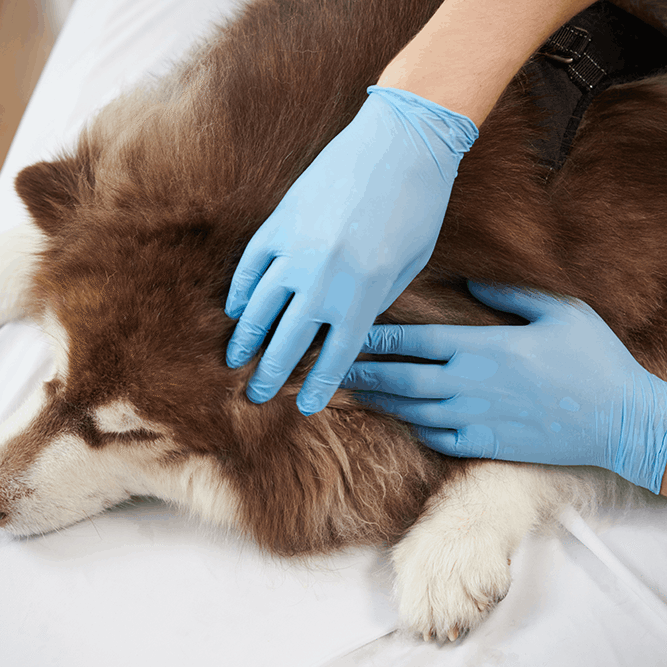

Safety and What to Expect
- Performed under general anesthesia for your pet's comfort
- Targeted treatment keeps the treatment focused in on the tumor site and minimizes side effects to the rest of the body
- Healthy tissue around the tumor is preserved
- Most pets return home the same day or after a short recovery
- Each patient is carefully evaluated by our board-certified oncologists to confirm the treatment is the right fit
Frequently Asked Questions
No. The treatment is performed under a light general anesthesia, so your pet won't feel the electrical pulses or the injection. Mild soreness or swelling at the treatment site is possible afterward and is typically managed with standard pain medications.
Most patients need one to three sessions, spaced a few weeks apart, though the exact plan depends on the tumor type, size, and location. Your oncologist will outline a personalized treatment schedule after evaluating your pet.
Side effects are usually mild and localized, such as temporary swelling, redness, or scabbing at the treatment site. Because the chemotherapy dose is small and concentrated at the tumor, the whole-body side effects seen with traditional chemotherapy (such as nausea or low blood counts) are uncommon.
Most pets go home the same day of treatment. Many return to their normal routines within 24 to 48 hours, though the treated area may take a few weeks to fully heal as the tumor responds.
TSE works best for certain tumor types, sizes, and locations. Our board-certified oncology team will review your pet's diagnosis, imaging, and overall health to determine whether this approach is appropriate, either on its own or alongside other treatments.
Frequently Asked Questions About Veterinary Oncology
Consultation with a veterinary oncologist is recommended when a pet receives a cancer diagnosis, has an unexplained mass, or owners need advanced guidance on treatment options. Early consultation can help clarify next steps and support informed decision-making.
Many people are initially hesitant to use chemotherapy to treat their pet's cancer because they do not want to compromise their pet's quality of life. A pet parent may be concerned that treatment with chemotherapy will cause severe side effects in their pet and will make their pet feel poorly. While side effects are possible with cancer treatment, the main goal of chemotherapy use in veterinary medicine is different than in human medicine.
Our primary goal in using these drugs is to provide the pet with a good quality of life for as long as possible. We treat cancer as aggressively as we can but not at the expense of comfort and happiness. If the pet starts to experience significant chemotherapy-related side effects, we alter the treatment plan. Fortunately, most dogs and cats tolerate chemotherapy much better than human patients.
Generally, dogs and cats receiving chemotherapy feel normal the day they are given the treatment. Perhaps 3 to 5 days later, a pet parent might report that their pet does not feel 100%; however, within 24 to 48 hours, the pet is back to their normal self until the cycle continues with the next dose of drug.
After each dose of chemotherapy, we discuss with you whether or not any side effects seen in the pet would warrant a change in the therapy. We continue treatment ONLY if it is working against the cancer cells and quality of life is good. However, every pet is different. A small percentage of pets are more sensitive to chemotherapy, and it is impossible in most cases to predict which pets will experience more severe chemotherapy side effects. If severe side effects
occur, hospitalization for a few days in a vet clinic may be necessary to help your pet recover.
Fortunately, the need to hospitalize pets due to chemotherapy-related side effects is uncommon, and some studies show that hospitalization is necessary in less than 10% of patients receiving chemotherapy. Because our primary goal is to provide your pet with a good quality of life, we decrease the dose or change drugs in the event of an adverse reaction. Many dogs and cats are able to complete chemotherapy protocols with mild to no side effects.
Yes. Many oncology plans focus on maintaining comfort, mobility, and daily enjoyment. Even when a cure is not possible, treatment may still reduce symptoms and improve overall well-being.
Unlike people receiving chemotherapy, hair loss in canine and feline patients is usually very minor. Cats may lose their whiskers, and long-haired cats may lose their outer coat. Dogs may develop mild hair thinning. Spots where hair is clipped for surgery or chemotherapy administration may grow back slowly. However, there are some dog breeds that are more likely to experience hair loss due to chemotherapy.
Breeds such as Poodle, Goldendoodle, Labradoodle (or any -doodle breed), Old English Sheepdog, Schnauzer, Lhasa Apso, Shih Tzu, Bichon Frise, Yorkshire terrier, Maltese, Airedale, and Welsh terrier will lose a more significant amount of hair during the initial stages of chemotherapy. For all pets, the hair lost due to chemotherapy will grow back after the course of chemotherapy has been completed or once treatments are given less frequently. Sometimes hair may grow back a slightly different color.
Many pets remain active and engaged throughout treatment. Activity levels may vary, but most continue enjoying walks, playtime, and family routines.
Our team will assess comfort at every visit using physical exams and behavior changes. Pain management plans are adjusted as needed to support daily comfort.
Follow-up schedules vary based on diagnosis and treatment type. Your oncology team will outline a personalized monitoring plan.
Yes. Treatment plans evolve based on response, comfort, and family goals. Adjustments are made to keep care aligned with your pet's needs. In some cases, the goal of chemotherapy is "remission". This occurs when we cannot find any evidence of the disease in your pet. Once the protocol is completed and remission has been demonstrated, chemotherapy is often stopped and a monitoring phase begins. In other cases, chemotherapy is stopped due to lack of efficacy or response, and we transition to palliative care.
Please speak with your oncologist first. There will be times that we recommend that your pet does not go to a grooming facility (and these times are typically the first few days after a treatment). We will discuss your pet's specific circumstances with you and try to come up with a plan to maintain his or her beauty routine!
In most cases, yes! Please continue your pet's normal flea and tick regimen. It is important that they keep a great quality of life and that includes being flea and tick free!
Please speak with your oncologist first. Pets receiving chemotherapy may be immunocompromised, and we do not want to over stimulate their immune system by introducing vaccines. Your oncologist will help determine the best vaccine schedule and in some cases write a "letter of exemption" if vaccines are deemed to be contraindicated during treatment.
Yes. Species, breed, and individual health factors all influence how treatment is planned and monitored. However, treatment protocols are designed with these differences in mind. Both dogs and cats can experience successful outcomes and good quality of life during treatment, and your oncology team will focus on your pet's particular needs to ensure that he or she is as comfortable and stress-free as possible.
Veterinarians often assess appetite, mobility, interaction, and comfort to help families evaluate quality of life. We can also direct you to some Quality-of-Life scores that enable you to assess your pet's happiness and comfort during the treatment process. We encourage you to share this information with your oncology team.
Yes. Coordinated care allows multiple specialists to contribute to a unified treatment plan when needed. At Rise Pet Health we provide access to multiple specialty departments including oncology, surgery, neurology, internal medicine, and critical care. We also have access to the most advanced imaging techniques with CT, MRI, ultrasound, and fluoroscopy. Our board-certified specialists collaborate and consult with each other daily to ensure that your pet receives the best medical and surgical care available.
In addition to your pet, please bring prior medical records, lab results, imaging reports, medication lists, and any questions you would like to discuss.