
Mouth Cancer in Dogs
Mouth cancer in dogs is the abnormal, uncontrolled growth of cancerous cells in the gums, tongue, cheeks, lips, or jaw, and it’s one of the more common cancers seen in older dogs. Because the mouth plays such a central role in eating, grooming, and daily comfort, even a small tumor can quickly affect your dog’s quality of life. Left unchecked, mouth cancer in dogs can spread to the jawbone, lymph nodes, or lungs, which is why catching it early matters so much. This blog walks through what mouth cancer in dogs looks like, what causes it, and how veterinarians diagnose and treat it, so you know exactly what to watch for and when to act. If you’ve noticed any changes in your dog’s mouth or eating habits, schedule an exam with your primary care veterinarian right away.
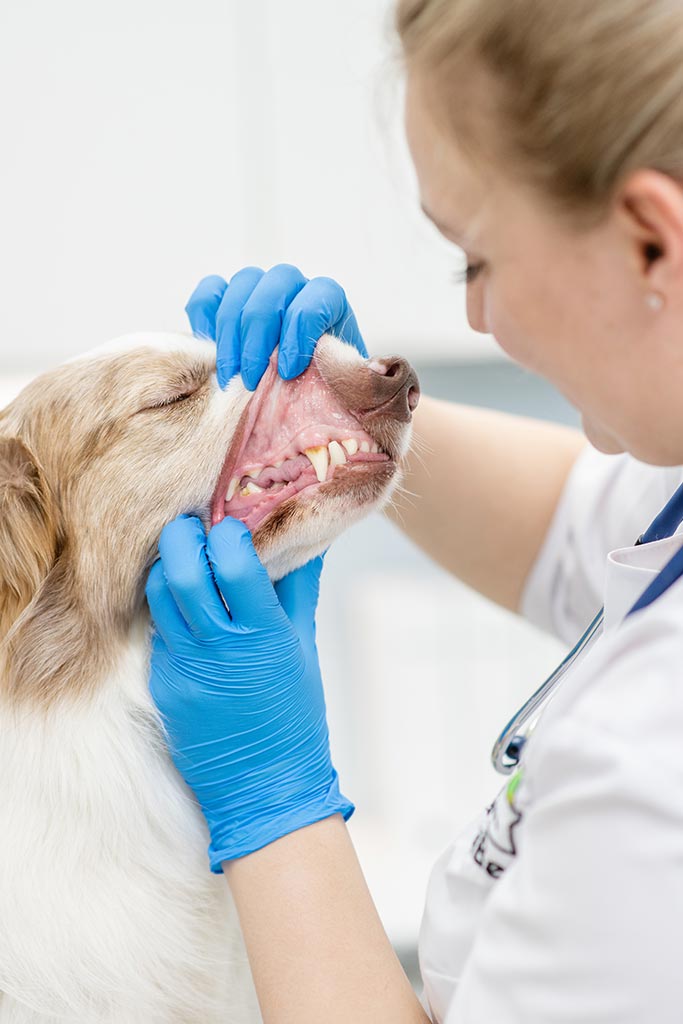
What Is Mouth Cancer in Dogs?
Mouth cancer in dogs is a malignant growth that develops from the tissues of the oral cavity, where cancer cells divide uncontrollably and can invade nearby tissue or spread elsewhere in the body.
Common Types of Mouth Cancer in Dogs
The three most frequently diagnosed forms of mouth cancer in dogs each behave differently, and understanding the differences helps explain why treatment plans vary from dog to dog.
- Melanoma often develops in the gums as a dark or pigmented mass and tends to be aggressive, with a higher chance of spreading to the lungs and lymph nodes.
- Squamous cell carcinoma arises from the lining of the mouth and can destroy soft tissue and bone, though it typically spreads more slowly than melanoma.
- Fibrosarcoma originates in connective tissue and grows deep into the jaw or gums, which can make surgical removal more difficult.
Less common oral growths, such as osteosarcoma or epulis, can also appear in the mouth. Not every mass is cancerous, but any growth still needs a professional evaluation to confirm what it is.
What Causes Mouth Cancer in Dogs?
The exact cause of mouth cancer in dogs isn’t fully understood, but veterinarians generally point to a combination of genetics, environmental exposure, and age-related changes in how cells behave.
Possible Risk Factors
Several factors appear to raise a dog’s risk of developing mouth cancer, and being aware of them can help owners take a more proactive role in oral health.
- Age and breed: Mouth cancer in dogs most often affects older pets, and breeds like Cocker Spaniels, German Shepherds, Golden Retrievers, and Poodles appear more predisposed to oral tumors.
- Genetics: Some dogs inherit a higher likelihood of abnormal cell growth.
- Carcinogen exposure: Secondhand smoke, household chemicals, and chronic dental inflammation may all play a role.
- Chronic irritation: Ongoing irritation from broken teeth, infection, or rough chew toys can contribute to abnormal tissue development.
None of these risk factors guarantee a diagnosis, but dogs with several of them on this list may benefit from more frequent oral exams.
What Are the Signs of Mouth Cancer in Dogs?
Recognizing the early signs of mouth cancer in dogs can be tricky, since many dogs continue eating and acting normally even when something is wrong.
Symptoms to Watch For
Subtle changes often show up before the disease progresses to an advanced stage, so it helps to know exactly what to look for at home:
- Persistent bad breath that doesn’t improve with dental care
- Drooling, bleeding, or visible masses along the gums
- Difficulty chewing, swallowing, or dropping food while eating
- Swelling around the face or jaw, or loose teeth
- Pawing at the mouth or rubbing the face against furniture or the floor
If you notice any of these symptoms, contact your veterinarian or Rise Pet Health promptly. Even a benign oral growth can cause pain or infection, so a full exam is always worth scheduling.
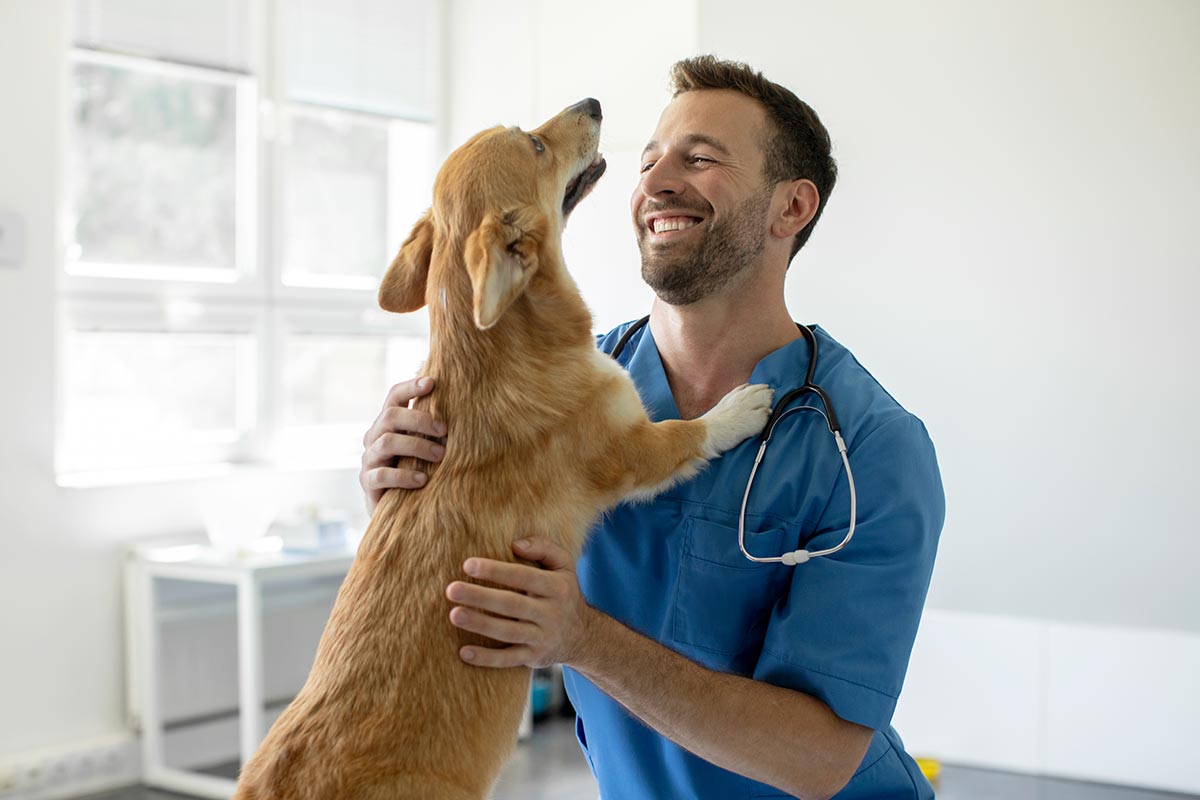
How Do Veterinarians Diagnose Mouth Cancer in Dogs?
Diagnosing mouth cancer in dogs starts with a thorough oral exam by your primary veterinarian, since the mouth contains many structures that need to be evaluated individually.
Diagnostic Tools Used
A combination of tests helps veterinarians confirm the type of cancer and how far it has spread, which then guides the treatment plan.
- Physical examination and referral: Your veterinarian checks for masses or swelling and refers you to a team like Rise Pet Health for further workup.
- X-rays or CT scans: Imaging shows whether the tumor has invaded bone or surrounding soft tissue.
- Biopsy: A small tissue sample is sent to a lab to confirm whether the growth is cancerous and identify its type.
- Bloodwork: Pre-treatment bloodwork evaluates your dog’s overall organ function and general health.
This full picture allows your care team to recommend the treatment approach best suited to your dog’s specific diagnosis.
What Are the Treatment Options for Mouth Cancer in Dogs?
Treatment for mouth cancer in dogs depends on the tumor’s type, size, and location, along with whether it has spread beyond the mouth.
Common Treatment Methods
Our oncology team’s goal of treatment is almost always disease control and comfort, and most plans combine more than one approach.
- Surgery is often the first step, and in some cases part of the jawbone must be removed to eliminate all cancerous tissue.
- Radiation therapy targets remaining cancer cells after surgery, or serves as the primary treatment when surgery isn’t an option.
- Chemotherapy or immunotherapy may be used for specific cancers, such as melanoma, to slow progression or lower the risk of recurrence.
- Palliative care focuses on comfort and pain management for dogs with advanced disease.
Our veterinary oncologists coordinate closely with your primary veterinarian to build a treatment plan tailored to your dog.

Why Does Early Detection Matter?
Catching mouth cancer in dogs early significantly improves the outcome, which is why routine dental exams and wellness visits are so valuable.
What Happens During Routine Exams
Veterinarians are trained to spot subtle abnormalities that are easy to miss at home, especially since some tumors grow beneath the gumline where they aren’t visible. During a routine checkup, your vet examines the teeth, gums, and oral tissues in detail and may recommend imaging or a biopsy if anything looks unusual. Dogs diagnosed with mouth cancer in its early stages tend to have better prognoses and more treatment options available than those diagnosed with advanced disease. Skipping annual exams increases the odds that a tumor goes unnoticed until it has already caused pain or spread.
How Can You Support a Dog Living With Mouth Cancer?
A diagnosis of mouth cancer in dogs is serious, but compassionate care at home can make a real difference in your dog’s day-to-day comfort.
Comfort Strategies to Discuss With Your Veterinary Team
These general strategies support your dog’s well-being alongside whatever treatment plan your veterinary team recommends.
- Follow your primary veterinarian’s or care team’s post-treatment guidance closely.
- Offer soft food if chewing has become difficult.
- Monitor your dog’s mouth for new bleeding or changes in odor.
- Keep the environment calm, with gentle handling and consistent affection.
Report any changes in behavior or appetite to your vet promptly. Many dogs continue to enjoy comfortable, happy lives with attentive care and regular monitoring, even after a mouth cancer diagnosis.
How Can You Protect Your Dog’s Oral Health?
Preventive care goes a long way toward reducing the risks associated with mouth cancer in dogs, and most of it fits easily into an existing wellness routine.
Preventive Steps Worth Taking
Small, consistent habits at home paired with regular veterinary visits offer the best defense against oral disease.
- Schedule annual or semiannual wellness visits so your veterinarian can catch problems early.
- Brush your dog’s teeth and use vet-approved dental products to reduce inflammation.
- Choose safe chew toys and avoid hard bones or objects that can fracture teeth.
- Limit your dog’s exposure to cigarette smoke and harsh household chemicals.
Reporting changes in eating habits or behavior as soon as you notice them gives your veterinarian the best chance to intervene early.
Partnering With Rise Pet Health for Expert Care
At Rise Pet Health in Laguna Hills, CA, our team provides compassionate, individualized care for dogs facing complex conditions like mouth cancer. Our specialists use advanced diagnostic tools to identify oral tumors and build a treatment plan suited to your dog’s needs. If you’ve noticed unusual swelling, odor, or bleeding in your dog’s mouth, don’t wait to schedule an evaluation, since early action makes a meaningful difference in outcomes. Call Rise Pet Health at (949) 787-7473 to schedule an appointment and give your dog the attention they deserve.
Frequently Asked Questions
Can a dog survive mouth cancer?
Yes, many dogs survive mouth cancer, especially when it’s caught early and treated with surgery, radiation, or a combination of therapies. Survival time depends heavily on the tumor type, its location, and whether it has spread, so an accurate diagnosis is essential to understanding prognosis.
Is mouth cancer in dogs painful?
Mouth cancer in dogs can be painful, particularly as tumors grow, invade bone, or cause secondary infection. Dogs often hide discomfort well, so behavior changes like reduced appetite or pawing at the mouth may be the first noticeable clue.
How quickly do oral tumors grow in dogs?
Growth rate varies by tumor type. Melanoma tends to grow and spread quickly, while squamous cell carcinoma and fibrosarcoma generally progress more slowly but can still become locally invasive over time.
Are all lumps in a dog’s mouth cancerous?
No, not all lumps in a dog’s mouth are cancerous. Benign growths and irritation-related bumps are common, but only a veterinary exam and, in many cases, a biopsy can confirm whether a mass is cancerous or benign.
What should I feed a dog with an oral tumor?
Your veterinary team can recommend a feeding plan based on your dog’s specific tumor and treatment, since needs vary by case. In general, soft or moistened food is often easier for dogs with oral discomfort to eat, but any dietary changes should be guided by your primary veterinarian.
Most Recent Posts
Mouth Cancer in Dogs
Mouth cancer in dogs is the abnormal, uncontrolled growth of cancerous cells in the gums, tongue, cheeks, lips, or jaw, and it’s one of the more common cancers seen in older dogs. Because the mouth plays such a central role in eating, grooming, and daily comfort, even a small tumor can quickly affect your dog’s…