
How Does Dog Acupuncture Work?
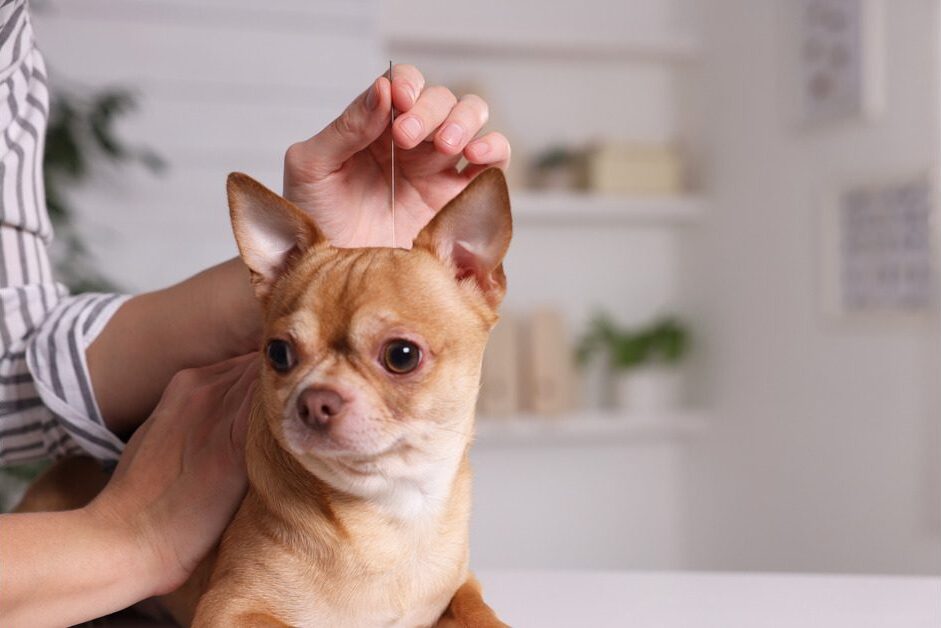
Dog acupuncture works by inserting very thin, sterile needles into specific points on the body to stimulate the nervous system, trigger the release of natural pain-relieving compounds, and reduce inflammation at the cellular level. It sounds surprising, but veterinary acupuncture is one of the most rigorously studied integrative therapies in modern animal medicine, with real physiological mechanisms that science continues to validate. If you’ve been wondering whether canine acupuncture actually works, what conditions it can treat, or what a session looks like for your dog, you’re about to get clear answers. Keep reading to learn how dog acupuncture works, why veterinarians recommend it, and whether it could be the right addition to your pet’s care plan.
What Is Veterinary Acupuncture?
Acupuncture is a therapeutic technique that originated in traditional Chinese medicine and has been practiced for thousands of years. In veterinary medicine, it involves the insertion of very thin, sterile needles into specific points on the body, known as acupoints. These acupoints correspond to locations where nerve bundles, blood vessels, and connective tissue converge, making them physiologically active sites.
Veterinary acupuncture for dogs is practiced by licensed veterinarians who have received specialized training through accredited programs. In the United States, the Chi Institute and the International Veterinary Acupuncture Society (IVAS) are among the leading organizations that certify veterinary acupuncturists.
How Does Dog Acupuncture Work Scientifically?
Dog acupuncture works through several well-documented physiological mechanisms. When needles are inserted into acupoints, the body responds in measurable ways that support healing and pain relief.
Nervous System Stimulation
Acupuncture needles stimulate sensory nerve fibers at the insertion point. This sends signals through the peripheral nervous system to the spinal cord and brain, triggering the release of endogenous opioids such as endorphins and enkephalins. These natural pain-relieving compounds reduce the perception of pain without the side effects associated with pharmaceutical pain management.
Anti-Inflammatory Effects
Research has shown that acupuncture for dogs activates anti-inflammatory pathways, reducing the production of pro-inflammatory compounds. This is particularly beneficial for dogs with arthritis, musculoskeletal injuries, and chronic inflammatory conditions. The local increase in blood flow triggered by needle insertion also helps deliver oxygen and nutrients to tissues while removing metabolic waste products.
Muscle Relaxation
Acupoints located within muscle tissue can deactivate trigger points, which are areas of muscle hyperirritability that cause pain and restrict movement. This makes dog acupuncture especially effective for musculoskeletal conditions, post-surgical rehabilitation, and sports injuries in working or athletic dogs.
What Conditions Does Dog Acupuncture Treat?
Canine acupuncture is used to address a wide variety of health conditions. It is often integrated into a broader treatment plan rather than used as a standalone therapy. Common conditions treated with dog acupuncture include:
- Osteoarthritis and degenerative joint disease
- Intervertebral disc disease (IVDD) and spinal cord injuries
- Hip dysplasia and elbow dysplasia
- Muscle soreness, strains, and soft tissue injuries
- Post-surgical pain and rehabilitation
- Chronic pain management
- Neurological conditions and peripheral nerve deficits
- Gastrointestinal disorders including inflammatory bowel disease
- Respiratory conditions and immune system support
- Cancer-related pain and side effects of chemotherapy
Acupuncture is also used as a supportive therapy for dogs with terminal illnesses to improve comfort and quality of life.
What Happens During a Dog Acupuncture Session?
Many pet owners are surprised by how calm and even relaxed their dogs are during acupuncture sessions. The needles used are very fine, far smaller than those used for injections, and most dogs experience minimal discomfort during insertion. Some dogs become so relaxed during treatment that they fall asleep on the table.
The First Appointment
The first dog acupuncture appointment typically begins with a comprehensive consultation. Your veterinarian will review your dog’s health history, current medications, and presenting concerns. A physical examination, including a musculoskeletal assessment, guides the selection of acupoints for treatment. Sessions generally last between 20 and 45 minutes.
Treatment Frequency
The frequency of veterinary acupuncture sessions depends on the condition being treated and how the dog responds. Acute conditions may be treated more frequently at first, sometimes several times per week, while chronic conditions are often managed with weekly sessions initially and then monthly maintenance appointments. You may begin to notice improvement within three to five sessions.
Is Dog Acupuncture Safe?
When performed by a trained and certified veterinary acupuncturist, acupuncture for dogs is considered very safe. Side effects are rare. The most common response is mild sedation or temporary soreness at needle sites, which typically resolves within 24 hours. Serious adverse effects are extremely uncommon.
Dog acupuncture is contraindicated in some situations, including at or near active infection sites, tumor locations in certain contexts, or in dogs with severe blood clotting disorders. Your veterinarian will perform a thorough evaluation before recommending acupuncture to ensure it is appropriate and safe for your individual dog.
Dog Acupuncture vs. Other Pain Management Options
One of the reasons veterinary acupuncture has grown in popularity is that it offers a drug-free option for pain management that can be used alone or alongside conventional medications. For dogs that cannot tolerate nonsteroidal anti-inflammatory drugs (NSAIDs) due to kidney or liver conditions, acupuncture may provide meaningful pain relief without the risk of organ toxicity.
It is also commonly combined with other integrative therapies such as laser therapy, rehabilitation exercises, and hydrotherapy to provide a comprehensive pain management plan tailored to each dog’s specific needs.
Bringing Acupuncture Into Your Dog’s Care Plan
If you are curious about whether dog acupuncture is right for your pet, the first step is a conversation with your veterinarian. Your primary vet may refer you to a specialist at Rise Pet Health in Laguna Hills, CA. We offer veterinary acupuncture as part of our integrative approach to pet wellness. Our certified team takes the time to understand your dog’s full health picture before recommending any treatment. Dog acupuncture works best as part of a thoughtful, individualized care plan, and we are here to guide you through every step of the process. However, if your pet is experiencing an emergency, please call us at (949) 787-7473.
Most Recent Posts
How Does Dog Acupuncture Work?
Dog acupuncture works by inserting very thin, sterile needles into specific points on the body to stimulate the nervous system, trigger the release of natural pain-relieving compounds, and reduce inflammation at the cellular level. It sounds surprising, but veterinary acupuncture is one of the most rigorously studied integrative therapies in modern animal medicine, with real…