
Laser Therapy for Dogs
If your dog is dealing with pain, a slow-healing wound, or a chronic condition like arthritis, laser therapy for dogs may be a treatment option you haven’t yet considered but should. Cold laser therapy for dogs, also called photobiomodulation therapy, is a non-invasive, drug-free treatment that uses targeted light energy to promote healing, reduce inflammation, and relieve pain. It is one of the fastest-growing therapies in veterinary medicine, and for good reason. Dogs tolerate it extremely well, results are often visible quickly, and it can be used alongside other treatments to support recovery and long-term wellness.
What Is Laser Therapy for Dogs?
Laser therapy for dogs uses specific wavelengths of light to penetrate tissues and stimulate healing at the cellular level. Unlike surgical lasers that cut tissue, therapeutic lasers deliver low-intensity light energy that interacts with cells without generating heat. This type of treatment is referred to as cold laser therapy or photobiomodulation (PBM) therapy.
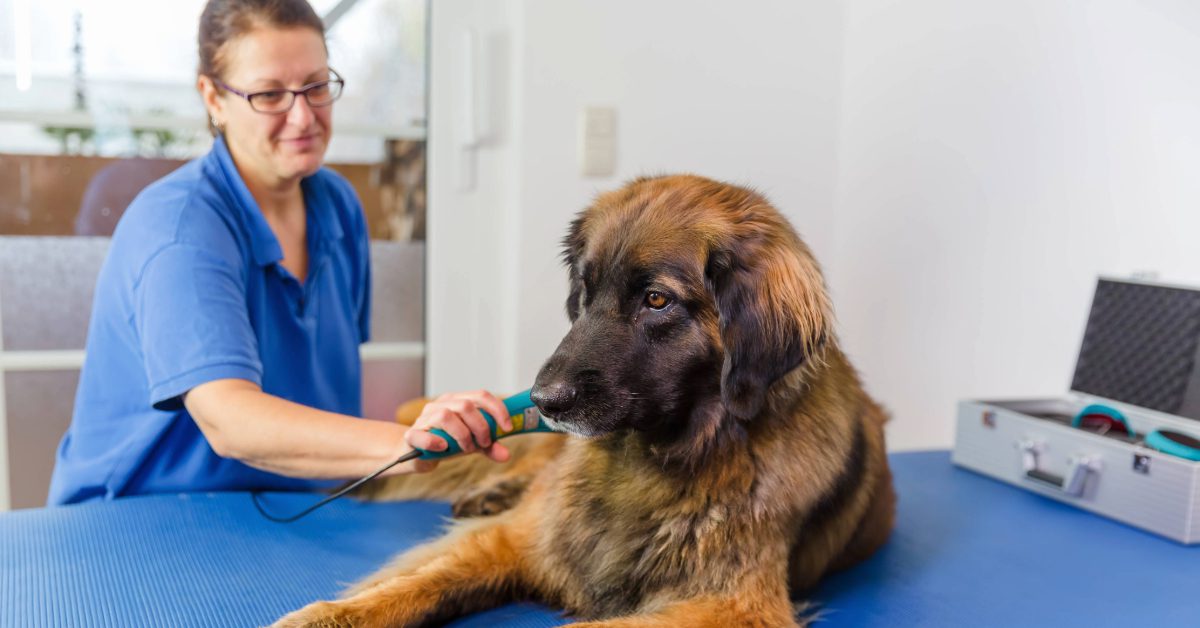
During a session, a handheld device is moved over the treatment area, delivering light energy directly to the targeted tissue. The light photons are absorbed by mitochondria within cells, triggering a series of biological responses that accelerate healing, reduce pain, and decrease inflammation.
How Does Dog Laser Therapy Work?
The science behind laser therapy for dogs is rooted in photobiomodulation, the use of light to induce biological change. At the cellular level, several key processes are activated:
ATP Production and Cellular Energy
When cells absorb the photons delivered by therapeutic lasers, it stimulates cytochrome c oxidase in the mitochondria to produce more adenosine triphosphate (ATP), the primary energy currency of cells. Increased ATP production gives cells more energy to carry out repair processes, accelerating tissue healing.
Reduction of Inflammation
Dog laser therapy reduces inflammation by decreasing the activity of pro-inflammatory prostaglandins and cytokines while increasing vasodilation and lymphatic drainage. This combination effectively addresses both the cause and the symptoms of inflammation at the tissue level, making it particularly valuable for conditions like arthritis and post-surgical swelling.
Nerve Stimulation and Pain Relief
Photobiomodulation therapy also modulates nerve conduction velocity and stimulates the release of endorphins, providing measurable pain relief. For dogs with chronic pain conditions, laser therapy can reduce the reliance on pain medications, which is especially important for dogs with conditions that limit the use of long-term pharmaceutical options.
What Conditions Is Dog Laser Therapy Used For?
Laser therapy for dogs is versatile and can be applied to a broad range of conditions. Veterinary practices use it as both a primary and a complementary treatment. Common applications include:
- Osteoarthritis and joint pain, including hip and elbow dysplasia
- Post-surgical pain relief and incision healing
- Intervertebral disc disease and spinal conditions
- Wound healing and tissue repair
- Skin conditions and hot spots
- Ear infections (otitis)
- Dental and oral tissue healing
- Tendon and ligament injuries
- Nerve regeneration following injury or surgery
Because laser therapy is safe and well-tolerated, it is also used for senior dogs experiencing age-related pain and stiffness, often as part of a broader pain management and quality-of-life program.
What to Expect During a Dog Laser Therapy Session
One of the most appealing aspects of canine laser therapy is how easy it is for the dog. There is no need for sedation, no needles, and no recovery period. Sessions are typically brief, ranging from 5 to 20 minutes depending on the size of the treatment area and the condition being addressed.
During the session, your dog will wear protective goggles and lie comfortably while the veterinarian or trained technician moves the laser wand over the treatment area. Most dogs find the treatment relaxing and may even fall asleep. The light energy generates a gentle warmth that many dogs appear to enjoy.
How Many Sessions Are Needed?
The number of dog laser therapy sessions needed varies by condition. Acute injuries and post-surgical cases may require three to six sessions over the course of two weeks. Chronic conditions like arthritis typically involve an induction phase of more frequent treatments followed by a maintenance schedule of monthly or biweekly appointments. Many pet owners report visible improvements in mobility and comfort within the first few sessions.
Is Laser Therapy for Dogs Safe?
Veterinary laser therapy has an excellent safety profile. When used correctly by trained professionals with calibrated equipment, the risk of adverse effects is very low. The most important safety measure is protective eyewear for both the dog and the treatment team, as direct exposure of the eyes to the laser beam should always be avoided.
Laser therapy is not recommended directly over actively growing tumor tissue in certain contexts, over the thyroid gland, or on pregnant animals. Your veterinarian will evaluate your dog’s full health history to confirm that laser therapy is appropriate.
Laser Therapy as Part of an Integrative Approach
Laser therapy for dogs works particularly well when integrated with other therapies. It is commonly combined with acupuncture, rehabilitation exercises, nutritional support, and pain medications to create a comprehensive management plan.
For dogs recovering from orthopedic surgery, laser therapy can accelerate tissue healing while reducing the need for high doses of post-operative pain medication. The integrative approach means that each dog receives a plan tailored to their unique condition, age, activity level, and health status, rather than a one-size-fits-all treatment protocol.
A Non-Invasive Path to Comfort and Healing
For pet owners in Laguna Hills, CA and the surrounding communities, looking for ways to help their dog manage pain, recover faster, or maintain mobility as they age, laser therapy for dogs offers a compelling, evidence-based option. Your primary veterinarian may refer you to a specialist at Rise Pet Health. Our team is experienced in delivering therapeutic laser treatments as part of a comprehensive, integrative care plan. If you think your dog might benefit from dog laser therapy, call us at (949) 787-7473 to schedule a consultation so we can assess your pet’s needs and discuss whether this treatment is the right fit.
Most Recent Posts
Laser Therapy for Dogs
If your dog is dealing with pain, a slow-healing wound, or a chronic condition like arthritis, laser therapy for dogs may be a treatment option you haven’t yet considered but should. Cold laser therapy for dogs, also called photobiomodulation therapy, is a non-invasive, drug-free treatment that uses targeted light energy to promote healing, reduce inflammation,…