
Marijuana Intoxication in Cats
Marijuana intoxication in cats occurs when a cat ingests or inhales tetrahydrocannabinol (THC), the psychoactive compound found in cannabis. Even small amounts of marijuana can cause significant health effects in cats due to their smaller body size and heightened sensitivity to THC. Common signs include lethargy, uncoordinated movements, drooling, vomiting, dilated pupils, and unusual vocalization. Because THC affects the nervous system, marijuana intoxication in cats can lead to serious complications that require prompt veterinary care.
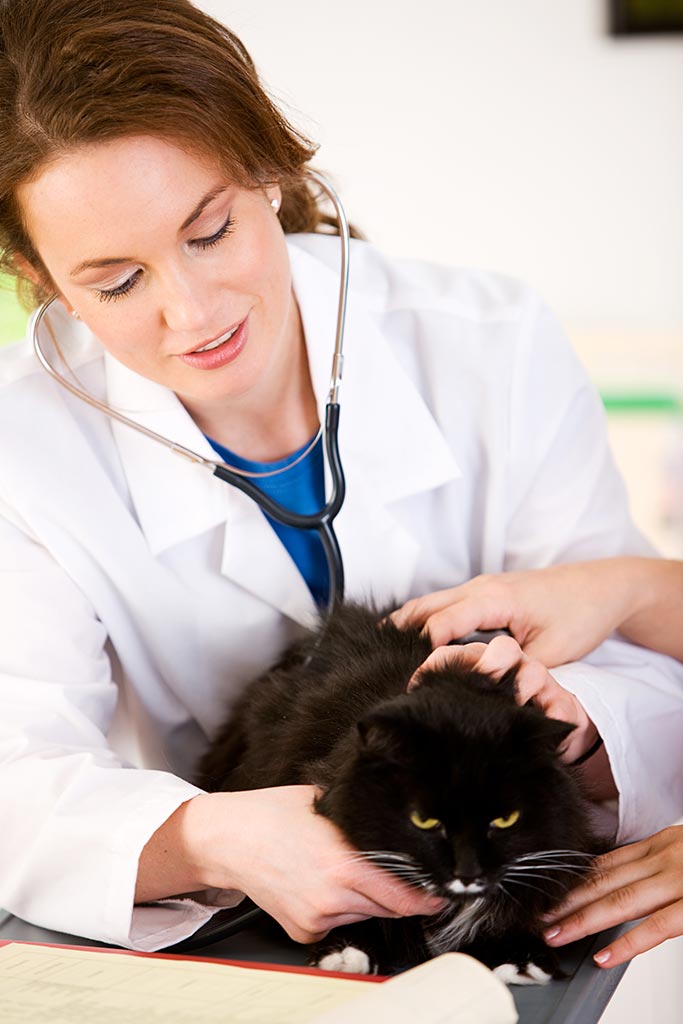
A Growing Concern for Pet Owners
As marijuana products become more accessible, marijuana intoxication in cats has become an increasingly common concern. Curious cats may nibble on edibles, lick cannabis oils, or inhale secondhand smoke, all of which can lead to toxic exposure. While cats are capable of metabolizing THC, it appears to be metabolized less efficiently and less predictably than in humans. Because THC is fat-soluble, it can persist in the body longer, leading to more pronounced and prolonged effects even after relatively small exposures.
Pet owners often don’t realize how potent modern marijuana products are. Edibles and oils can contain concentrated THC levels far higher than what was found in traditional plant material. When a cat eats even a small piece of an edible or licks spilled cannabis oil, the effects can be dramatic and potentially dangerous.
At Rise Pet Health in Laguna Hills, CA, we encourage pet owners to recognize the risks, understand the signs, and know when to seek professional help. If you suspect marijuana intoxication in your cat, contact our team for prompt emergency care right away at (949) 787-7473.
How Cats Can Be Exposed to Marijuana
Cats may be exposed to marijuana in several ways, and knowing how these exposures happen can help prevent accidents at home.
Ingesting Edibles or Plant Material
The most common cause of marijuana intoxication in cats is ingestion. Cats may eat cannabis-infused treats, brownies, gummies, or other edibles that contain THC. Even licking the remnants of marijuana butter or oil from a countertop can lead to toxicity.
Inhaling Smoke or Vapor
Secondhand smoke exposure is another risk. Cats who live in households where marijuana is smoked or vaped can inhale the fumes. This can cause respiratory irritation and mild intoxication, depending on the amount inhaled.
Contact with THC Oils or Topical Products
Some cats are exposed when they come into contact with topical cannabis products, tinctures, or oils used by humans. Cats groom themselves frequently, and if these products get on their fur, they may ingest THC while cleaning themselves. Understanding these potential exposures is key to preventing marijuana intoxication in cats. Safe storage and proper ventilation can go a long way in protecting your pet.
Symptoms of Marijuana Intoxication in Cats
The signs of marijuana intoxication in cats can vary depending on the dose, method of exposure, and your cat’s individual sensitivity.
Common Behavioral and Physical Symptoms
- Lethargy or unsteady movements
- Glassy eyes or dilated pupils
- Hypersensitivity to touch or sound
- Drooling or vomiting
- Disorientation or confusion
- Low body temperature
- Unusual vocalization or agitation
These symptoms often appear within 30 to 90 minutes after exposure. In severe cases, marijuana intoxication in cats can cause tremors, low heart rate, or even seizures.
Duration of Symptoms
The effects can last for hours and sometimes up to a full day, depending on the amount of THC ingested. Cats exposed to highly concentrated edibles or oils may experience longer-lasting and more intense symptoms. If your cat shows any of these signs, it’s important to reach out to a veterinary professional immediately. Rise Pet Health can provide supportive care and help your cat recover safely.
Why Cats Are So Sensitive to Marijuana
Marijuana intoxication in cats occurs so readily because of a combination of their small body size, heightened neurologic sensitivity, and the way THC behaves in the body.
How THC Affects Cats
THC binds to cannabinoid receptors in the brain and nervous system, disrupting normal neurologic signaling. While humans may experience euphoria, cats often become disoriented, distressed, or neurologically impaired, even at relatively low doses.
Metabolism and Body Size
Cats appear to metabolize THC less efficiently than humans, and because THC is highly fat-soluble, it can persist in the body longer. Combined with a cat’s small size, even minimal exposure can lead to disproportionately strong effects.
No Protective Tolerance
Unlike people who use marijuana regularly, cats do not develop tolerance to THC. Repeated exposure does not reduce sensitivity and may increase the risk of adverse effects. These factors help explain why marijuana intoxication in cats can escalate quickly and why veterinary evaluation is strongly recommended whenever exposure is suspected.
Determining If Your Cat Has Marijuana Intoxication
When a cat shows symptoms consistent with marijuana intoxication, our veterinarians at Rise Pet Health rely on observation, testing, and the owner’s account to make an accurate diagnosis.
Physical Examination and History
Your veterinarian will start with a thorough physical exam and ask about possible exposure. It’s essential to be honest about whether marijuana might be in the home. This information allows our team to provide the most effective care.
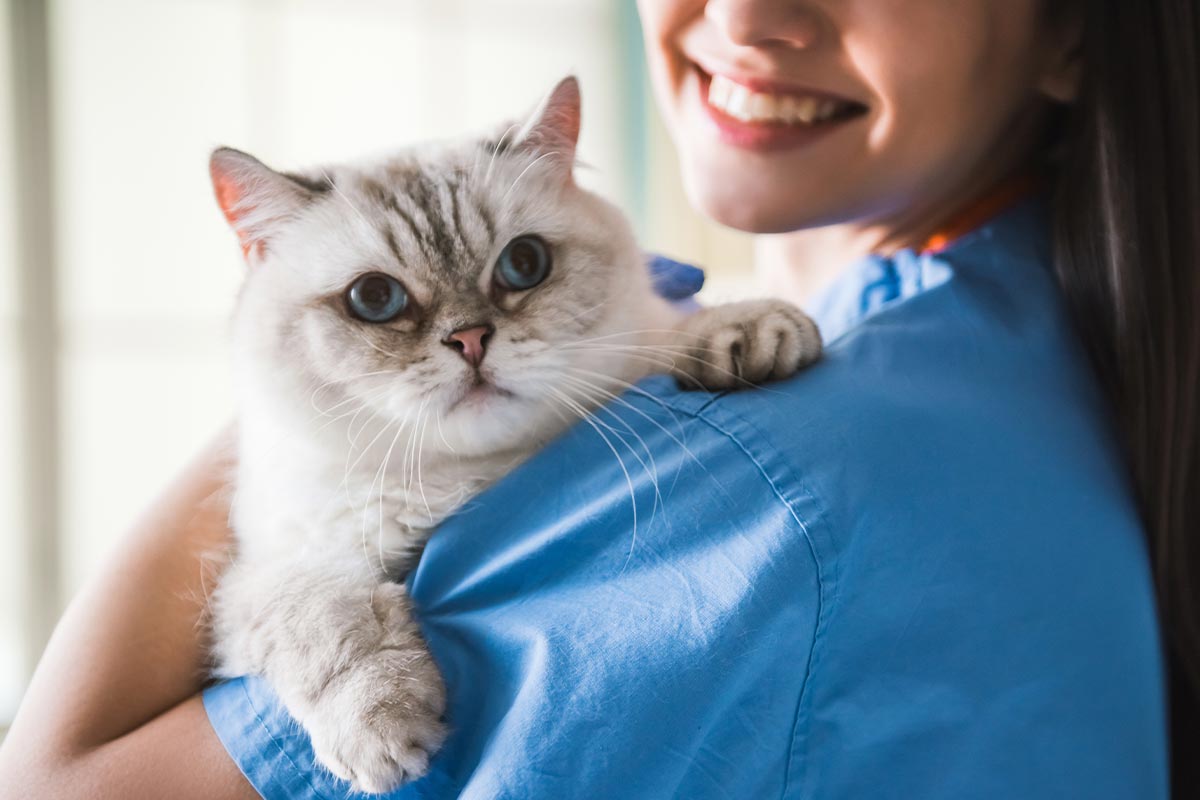 Diagnostic Tests
Bloodwork and urinalysis are often used to rule out other causes of neurological or gastrointestinal signs. While specialized testing may detect THC in some cases, diagnosis is most commonly based on clinical signs and known or suspected exposure. Providing accurate information about possible marijuana access allows veterinarians to tailor care appropriately.
Monitoring Vital Signs
Because THC affects the heart and nervous system, our veterinarians closely monitor heart rate, body temperature, and respiration during recovery. Rise Pet Health is fully equipped to assess your cat’s condition and provide supportive care if marijuana intoxication is suspected.
How Is Marijuana Intoxication in Cats Treated?
While treatment details are best determined by a veterinarian, it helps to know what happens when a cat is treated for marijuana intoxication.
Supportive Care
Most cases require supportive care, including intravenous fluids, monitoring, and maintaining body temperature. These steps help the cat’s body metabolize and eliminate THC more safely.
Oxygen Support and Sedation
If your cat is experiencing breathing issues or severe agitation, oxygen therapy or mild sedation may be necessary to stabilize their condition.
Hospitalization for Severe Cases
Cats who ingest large amounts of THC may require hospitalization for observation and ongoing care. With prompt treatment, most cats recover within 24–48 hours. Rise Pet Health’s veterinary team provides attentive, compassionate care to help cats recover safely from marijuana intoxication.
Tips for Preventing Marijuana Intoxication in Cats
Prevention is the best approach when it comes to marijuana intoxication in cats. Simple precautions can keep your pet safe and reduce the risk of accidental exposure.
Store Products Securely
Keep all marijuana products including edibles, oils, and vape pens locked away or in cabinets your cat cannot access.
Avoid Secondhand Exposure
If you use marijuana, make sure your cat is not in the same room where smoking or vaping occurs. Cats have sensitive lungs, and even minimal exposure can irritate their respiratory system.
Clean Surfaces Thoroughly
Wipe down counters and tables after using or preparing marijuana products. Cats often jump onto these surfaces and can lick up residue.
Dispose of Waste Properly
Edible wrappers, empty vape cartridges, and cannabis crumbs should be discarded in sealed containers. Cats are curious by nature and may dig into trash cans, especially if something smells interesting. By being proactive, pet owners can significantly reduce the risk of marijuana intoxication in cats.
Protecting Your Cat’s Health with Prompt Veterinary Care
Cats are naturally curious, and accidents can happen despite your best efforts. If you ever suspect your cat may have been exposed to marijuana, don’t wait for symptoms to worsen. Contact Rise Pet Health in Laguna Hills, CA, at (949) 787-7473 for immediate guidance. Our team is here to support you and your pet every step of the way. Marijuana intoxication in cats can be alarming, but with professional veterinary care, most cats recover fully. Protect your cat’s safety by keeping all marijuana products securely stored and reaching out for help as soon as exposure is suspected.
Most Recent Posts

Marijuana Intoxication in Cats
Marijuana intoxication in cats occurs when a cat ingests or inhales tetrahydrocannabinol (THC), the psychoactive compound found in cannabis. Even small amounts of marijuana can cause significant health effects in cats due to their smaller body size and heightened sensitivity to THC. Common signs include lethargy, uncoordinated movements, drooling, vomiting, dilated pupils, and unusual vocalization.…