
What Are the First Signs of Bloat in a Dog?
Bloat in dogs, medically known as gastric dilatation-volvulus (GDV), is a serious and life-threatening emergency in which the stomach rapidly fills with gas and rotates on itself. This rotation traps gas and food, restricts blood flow, and can quickly lead to shock and organ failure. If you’re asking, “What are the first signs of bloat in a dog?”, early symptoms often include restlessness, abdominal swelling or firmness, unproductive retching, drooling, and signs of distress. Because GDV progresses rapidly, early recognition and immediate veterinary care are critical.
At Rise Pet Health in Laguna Hills, CA, we want pet owners to feel confident recognizing when something might be wrong. Knowing what bloat looks like can make all the difference. If you ever suspect your dog might be experiencing bloat, call us right away at (949) 787-7473 for guidance and emergency care.
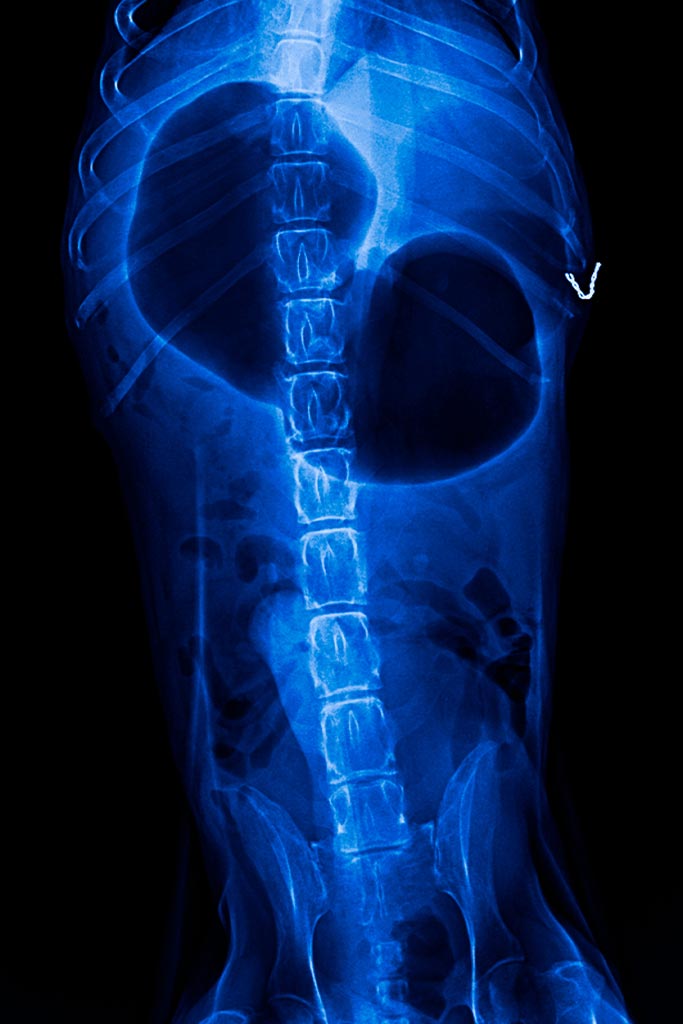
Understanding Bloat and Why It Happens
Bloat occurs when a dog’s stomach becomes abnormally distended with gas, food, or fluid. In cases of GDV, the stomach then rotates, preventing contents from escaping and cutting off blood flow to the stomach and other vital organs. This interruption of circulation is what makes GDV particularly dangerous and can result in shock within a short period of time.
Large, deep-chested breeds such as Great Danes, Weimaraners, German Shepherds, Standard Poodles, Dobermans, and Saint Bernards are at higher risk, though GDV can occur in dogs of any breed or size. The exact cause is not fully understood, but factors such as rapid eating, large meal size, activity shortly after meals, and stress have been associated with an increased risk.
Early Warning Signs of Bloat in Dogs
The first signs of bloat in a dog can be subtle, but they progress rapidly. It’s important to stay observant if your pet begins to act differently, especially after eating or drinking.
Restlessness and Discomfort
One of the earliest signs of bloat is restlessness. Dogs experiencing the initial stages of GDV often can’t get comfortable. They may pace, stand up and lie down repeatedly, or appear anxious. You might notice your dog staring at their belly, whining, or stretching in unusual positions in an attempt to relieve discomfort.
A Swollen or Hard Abdomen
A visibly distended or firm belly is one of the most recognizable signs of bloat. The abdomen may feel tight to the touch, almost like a drum. This swelling occurs as gas builds up in the stomach and becomes trapped. Even if the distension seems mild, it should never be ignored.
Unproductive Retching or Dry Heaving
If your dog tries to vomit but nothing comes up, it’s a strong indicator of bloat. The stomach’s twist prevents any food, liquid, or gas from escaping, leading to repeated, unproductive retching. You might also see foam or drool instead of vomit.
Excessive Drooling
Drooling is another common early symptom. The buildup of saliva happens because your dog’s stomach is under stress and they’re struggling to swallow normally. You may notice strings of saliva or frothy drool forming around their mouth.
Signs of Pain or Distress
Dogs with bloat often show clear signs of pain. They might whine, pant heavily, have a hunched posture, or become unusually still. In more advanced stages, they may go into shock, appearing weak, pale, or collapsing altogether. Recognizing these warning signs early is key to understanding the first signs of bloat in a dog and acting before the condition becomes critical.
What Causes Bloat to Develop
While GDV often appears to occur suddenly, several factors are associated with increased risk. Understanding these risk factors allows pet owners to take preventive steps and recognize concerning changes early.
Breed and Genetics
Large, deep-chested breeds like Great Danes, Weimaraners, German Shepherds, Standard Poodles, Dobermans, and Saint Bernards are at higher risk due to their body shape.
Eating Habits
Dogs that eat rapidly, consume one large meal daily, or gulp water after meals are more susceptible to bloat. The speed of eating can cause them to swallow excess air, which leads to stomach expansion.
 Activity After Meals
Exercise too soon after eating is another potential trigger. Running, jumping, or playing can cause the stomach to shift or twist while it’s full, especially in larger breeds.
Age and Temperament
Older dogs and dogs with anxious or high-stress temperaments appear to be at increased risk. Stress may influence breathing and swallowing patterns, potentially increasing gas accumulation in the stomach. Although these factors don’t guarantee a dog will develop GDV, they highlight why understanding the first signs of bloat in a dog is important for prevention and awareness.
How Bloat Is Identified and Managed in Dogs
Veterinary teams act quickly when a dog is suspected of having bloat. Time is critical, and diagnostic steps are taken immediately to confirm the condition and determine whether volvulus has occurred.
Diagnosis
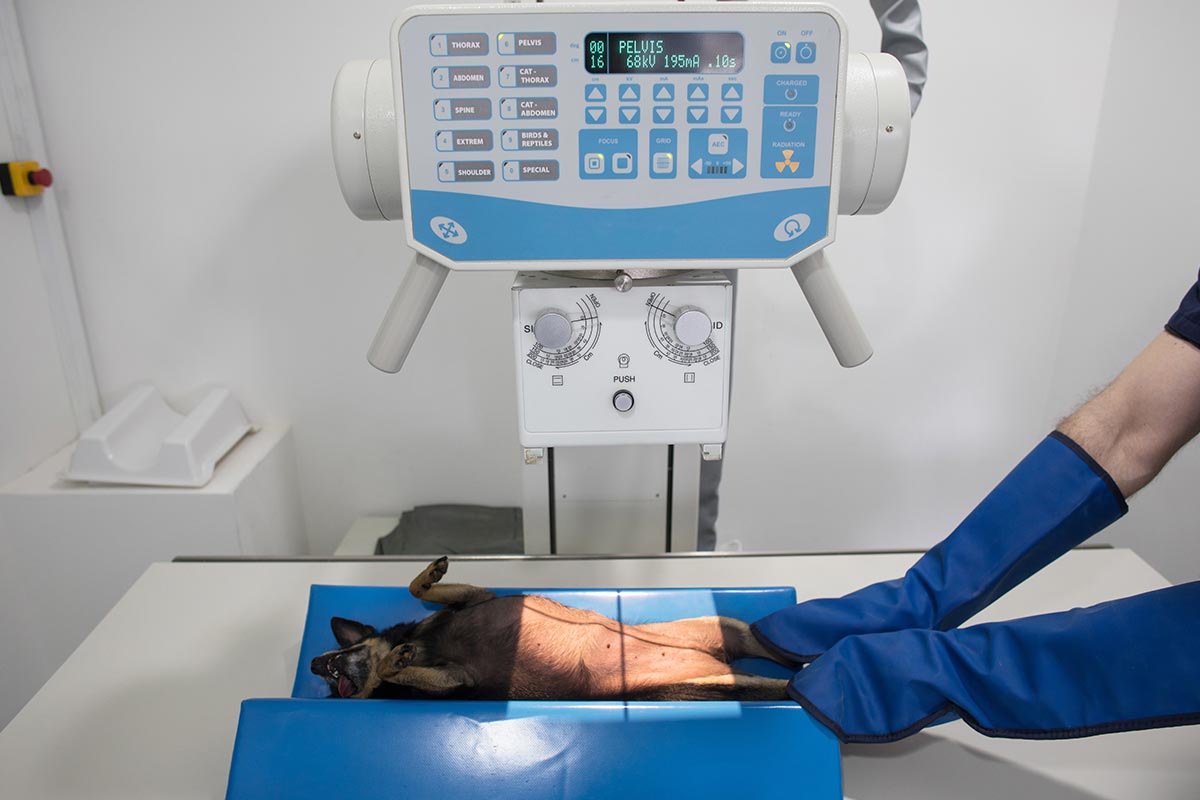
Your primary veterinarian typically performs a physical exam to check for abdominal distension and pain. X-rays are often used to confirm if the stomach has twisted. Other tests may include bloodwork to evaluate organ function and hydration status.
Treatment
Once diagnosed, treatment usually begins with stabilizing the dog through intravenous fluids, oxygen therapy, and decompression of the stomach to relieve pressure. If the stomach has twisted, emergency surgery is needed to correct the position and prevent recurrence. The surgery often includes a procedure called gastropexy, which attaches the stomach to the abdominal wall to reduce the risk of future twisting. The faster the dog receives care, the better the chance of recovery. This is why identifying the first signs of bloat in a dog is so important: every minute counts.
How to Help Protect Your Dog from Bloat
While not all cases of bloat can be prevented, you can take practical steps to lower your dog’s risk.
- Feed Smaller, More Frequent Meals: Splitting your dog’s daily food into two or three smaller portions instead of one large meal can help reduce stomach expansion and gas buildup.
- Slow Down Mealtime: Using a slow-feeder bowl or puzzle feeder can limit how quickly your dog eats. Slower eating reduces air intake and promotes better digestion.
- Avoid Vigorous Activity After Eating: Give your dog time to rest for at least an hour after meals before running or playing. This allows their stomach to settle and reduces the chance of twisting.
- Reduce Stress and Anxiety: If your dog tends to eat anxiously or is easily stressed, maintaining a calm feeding environment can help. Anxiety can contribute to irregular swallowing and digestive changes linked to bloat.
- Ask About Preventive Surgery: For breeds at higher risk, your veterinarian may recommend a preventive gastropexy during another procedure, such as spaying or neutering. This proactive measure can save a dog’s life if twisting ever occurs.
By combining awareness with preventive care, pet owners can take meaningful steps to protect their dogs from this life-threatening condition.
Acting Quickly Can Save a Life
Recognizing what are the first signs of bloat in a dog is one of the most important things you can do as a pet owner. Restlessness, a swollen abdomen, unproductive retching, and drooling should never be dismissed. Bloat advances rapidly, but early intervention can dramatically improve your dog’s outcome. If you notice any concerning changes in your dog’s behavior or body after eating, call Rise Pet Health in Laguna Hills, CA, at (949) 787-7473. Our team is here to provide emergency support and help guide you every step of the way. Your quick action and awareness could make all the difference in saving your dog’s life.
Most Recent Posts
What Are the First Signs of Bloat in a Dog?
Bloat in dogs, medically known as gastric dilatation-volvulus (GDV), is a serious and life-threatening emergency in which the stomach rapidly fills with gas and rotates on itself. This rotation traps gas and food, restricts blood flow, and can quickly lead to shock and organ failure. If you’re asking, “What are the first signs of bloat…