
What Does a Dog Seizure Look Like?
A dog seizure can be frightening to witness, especially when it happens unexpectedly. During a seizure, a dog may suddenly collapse, lose coordination, stiffen, twitch, or paddle their legs as if running. Some dogs drool excessively, vocalize, or appear unaware of their surroundings during the event. Seizures can last from a few seconds to a couple of minutes and vary widely in appearance and intensity. If you’ve ever wondered, “What does a dog seizure look like?”, understanding the common signs can help you respond calmly and seek appropriate veterinary care when needed.

Understanding What Happens During a Dog Seizure
A seizure occurs when there is abnormal electrical activity in your dog’s brain, disrupting normal body functions and behavior. The cause can range from underlying medical conditions and toxins to genetic predispositions or unknown (idiopathic) reasons. Recognizing what a dog seizure looks like involves understanding how these episodes typically unfold.
Most seizures follow a pattern that includes three main phases:
- Pre-ictal phase (aura): This stage happens before the seizure begins. Dogs may appear restless, anxious, or seek attention. Some may whine, hide, or show confusion.
- Ictal phase: This is the actual seizure. Dogs may collapse, stiffen, paddle their legs, or lose control of their bladder or bowels.
- Post-ictal phase: After the seizure, dogs often appear disoriented, tired, or uncoordinated. They may pace, drool, or seem temporarily blind.
Each seizure can look slightly different, but recognizing these stages helps you understand what’s happening when your pet experiences one.
Common Signs and Symptoms of a Dog Seizure
When asking, “What does a dog seizure look like?”, it’s important to note that seizures can vary from subtle to severe. Some are so mild that they’re mistaken for simple twitches or odd behavior, while others are unmistakable.
Physical Signs
- Collapsing or falling over: Many dogs lose balance and fall to one side.
- Muscle rigidity: The body becomes stiff, and legs may stretch out.
- Paddling movements: Dogs may move their legs rhythmically as though running or swimming.
- Drooling or foaming at the mouth: Increased salivation is common during seizures.
- Loss of bladder or bowel control: This can occur due to loss of muscle control.
- Jerking or twitching: Repetitive muscle spasms are a hallmark of seizure activity.
Behavioral Changes
Not all seizures involve dramatic full-body movements. Some seizures appear as brief or unusual behavioral changes and may be mistaken for odd habits or gastrointestinal discomfort. These can include:
- Staring episodes or sudden unresponsiveness
- Repetitive jaw movements or snapping at the air
- Facial twitching
- Sudden confusion or agitation
These episodes may represent focal seizures, though not all such behaviors are seizure-related. Veterinary evaluation is needed for accurate diagnosis.
Types of Seizures in Dogs
Knowing what a dog seizure looks like depends on the type of seizure your dog experiences. Veterinarians generally categorize them into three main types.
Generalized (Grand Mal) Seizures
These are the most recognizable type. They involve the entire body, often causing collapse, violent shaking, and loss of consciousness. A generalized seizure typically lasts one to two minutes, though it can feel much longer to a concerned pet owner.
Focal (Partial) Seizures
Focal seizures affect only part of the brain, which means only one area of the body shows symptoms. You might notice facial twitching, one leg jerking, or sudden behavioral changes. In some cases, focal seizures can evolve into generalized ones.
Cluster Seizures and Status Epilepticus
Cluster seizures occur when a dog experiences multiple seizures within a short time frame, often within 24 hours. Status epilepticus refers to a seizure lasting longer than five minutes or multiple seizures without recovery in between. Both conditions require immediate emergency care, as they can be life-threatening.
Before and After a Seizure: What to Expect
When asking, “What does a dog seizure look like?”, it’s equally important to understand what happens before and after the event. Dogs often display certain warning signs before a seizure starts and may act differently afterward.
Before the Seizure
In the pre-ictal stage, dogs might:
- Act restless or anxious
- Seek comfort or hide
- Whine or bark for no clear reason
- Salivate more than usual
This phase can last a few seconds to several hours. Recognizing these signs can help you prepare and ensure your dog’s safety.
After the Seizure
The post-ictal phase is often the most confusing for pet owners. Dogs may appear dazed or exhausted and could temporarily lose their sense of direction. Some may stumble, bump into objects, or seem overly hungry or thirsty. This recovery period can last a few minutes to several hours, depending on the dog and the seizure’s intensity.
What Causes Seizures in Dogs?
While this blog focuses on “What does a dog seizure look like?”, it’s also important to understand that many different factors can trigger seizures in dogs.
Common Triggers
- Genetic predisposition: Certain breeds such as Beagles, Labrador Retrievers, and Border Collies are more prone to epilepsy.
- Metabolic disorders: Low blood sugar, liver disease, or kidney dysfunction can contribute.
- Toxins: Ingesting certain chemicals, medications, or foods (like xylitol) can provoke seizures.
- Brain abnormalities: Tumors, inflammation, or trauma can interfere with normal brain activity.
- Idiopathic epilepsy: When no underlying cause is found, it’s called idiopathic epilepsy, which is the most common diagnosis for recurring seizures in otherwise healthy dogs.
Understanding these causes helps pet owners work with their veterinarian to identify potential triggers and reduce risk.
 How to Respond When Your Dog Has a Seizure
Knowing what a dog seizure looks like is the first step; knowing how to respond calmly is the next. Although it can be distressing to witness, staying composed can help keep your pet safe.
During the Seizure
Focus on keeping your dog safe by moving nearby objects and preventing falls, especially near stairs. Do not place your hands near your dog’s mouth. Seizures cause involuntary jaw movements, and dogs do not swallow their tongues, but accidental bites can occur. If possible, calmly note the time, duration, and visible signs to share with your veterinarian.
After the Seizure
Once your dog regains awareness, speak softly and keep the environment quiet. Loud noises or bright lights may startle or confuse them. Allow them to rest and recover, and contact your veterinarian to discuss what you observed.
Advanced Neurology Care at Rise Pet Health
If your dog has experienced a seizure or has been diagnosed with a neurological condition, our neurology team at Rise Pet Health is equipped to help. Our board-certified veterinary neurologists specialize in diagnosing and managing disorders of the brain, spinal cord, and nerves that can cause symptoms such as seizures, weakness, or loss of coordination.
Diagnostic Expertise
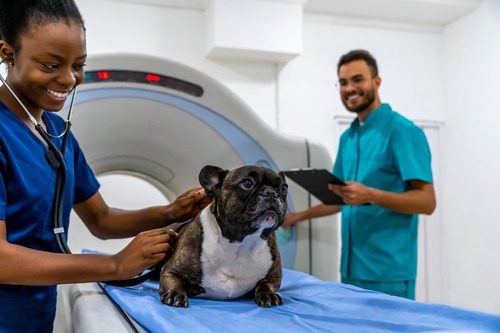
Our neurology team uses advanced diagnostic tools, including MRI, CT scans, and cerebrospinal fluid (CSF) analysis, to identify the underlying cause of your dog’s seizures. These tests allow for precise, targeted treatment plans that address your pet’s specific condition.
Collaborative and Compassionate Care
We work closely with you and your primary veterinarian to provide a comprehensive approach to your dog’s neurological health. We also collaborate with other departments including our internal medicine and oncology teams to ensure your pet receives the necessary care they require. Whether your pet needs long-term seizure management, advanced imaging, or specialized testing, our team strives to provide the highest level of care in a supportive environment.
When to Contact Your Veterinarian
If you’ve seen your dog have a seizure, it’s natural to feel concerned. Contact your primary veterinarian or the team at Rise Pet Health if:
- This is your dog’s first seizure
- The seizure lasts longer than a few minutes
- Multiple seizures occur within 24 hours
- Your dog doesn’t recover fully between episodes
At Rise Pet Health in Laguna Hills, CA, our experienced veterinary team can help identify possible causes and recommend next steps for diagnosis and care. Call us at (949) 787-7473 to discuss your dog’s symptoms or schedule an evaluation.
Supporting Your Dog Through Seizure Management
Now that you understand what a dog seizure looks like, you can better support your pet through these episodes. Awareness, calm observation, and clear communication with your veterinarian are key. Seizures can be frightening, but with professional guidance and attentive monitoring, many dogs go on to live full, happy lives. At Rise Pet Health, we’re here to support you and your pet through every stage of their health journey. If you notice anything unusual or want to learn more about seizure awareness and prevention, give us a call at (949) 787-7473 today.
Most Recent Posts
What Does a Dog Seizure Look Like?
A dog seizure can be frightening to witness, especially when it happens unexpectedly. During a seizure, a dog may suddenly collapse, lose coordination, stiffen, twitch, or paddle their legs as if running. Some dogs drool excessively, vocalize, or appear unaware of their surroundings during the event. Seizures can last from a few seconds to a…