

Rise Pet Health Cat and Dog Oral Tumor Treatment in Laguna Hills, CA
A growth in your pet’s mouth can raise a lot of questions, especially when cancer is a possibility. At Rise Pet Health, we provide cat and dog oral tumor treatment in Laguna Hills, CA, bringing oncology, maxillofacial surgery, advanced imaging, and specialty care together in one animal hospital.
Our team works to identify the type of tumor, determine how extensively it involves nearby tissues, and develop a treatment plan based on your pet’s diagnosis, overall health, and quality of life.
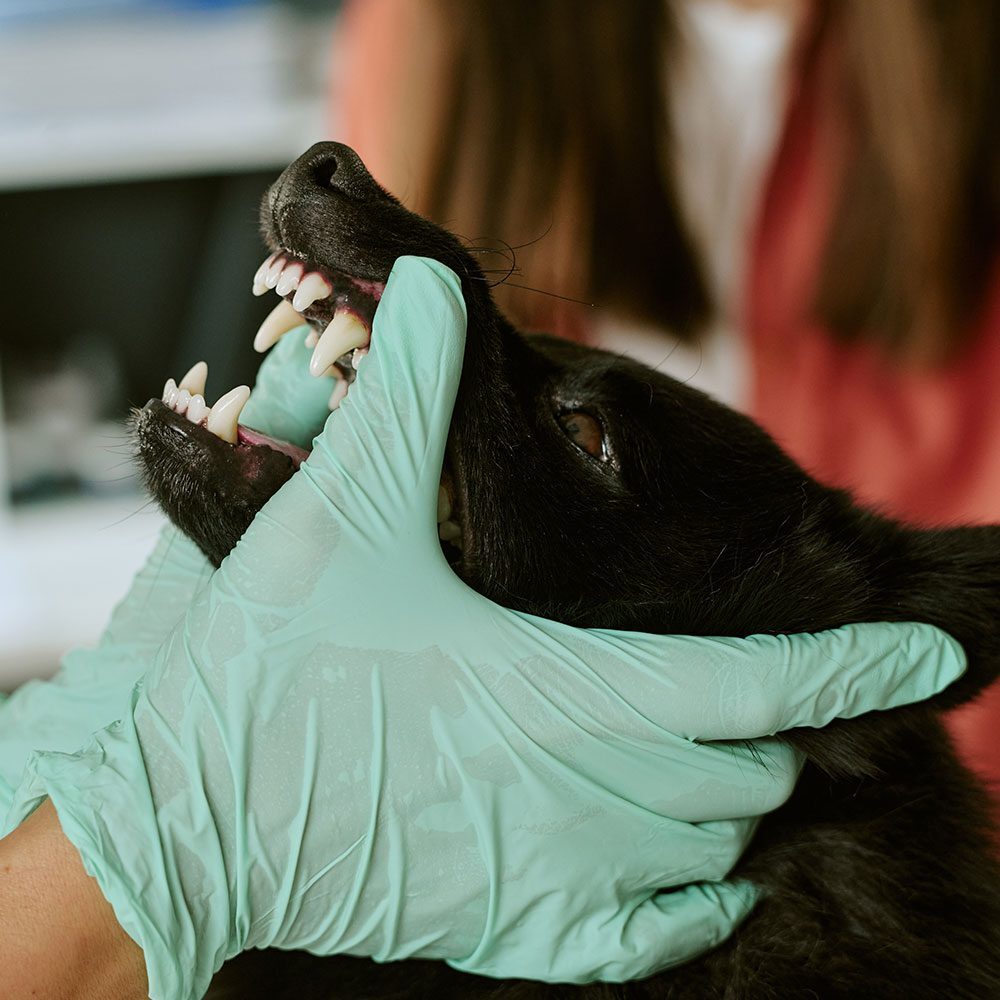
What Are Oral and Maxillofacial Tumors in Pets?
Oral tumors are abnormal growths that can develop along the gums, tongue, lips, palate, jawbone, or other tissues in and around the mouth. Maxillofacial tumors involve the bones and tissues that make up the face and jaw, including the upper and lower jaw, the nasal passages, the area around the eye, and the cheekbone. Many tumors involve both, starting in the mouth and growing into the underlying bone.
Some oral and maxillofacial tumors are benign but can still grow into nearby tissues, damage bone, or interfere with eating. Others are malignant and may spread to surrounding structures, lymph nodes, or other parts of the body.
The types of oral tumors seen most often differ between dogs and cats.
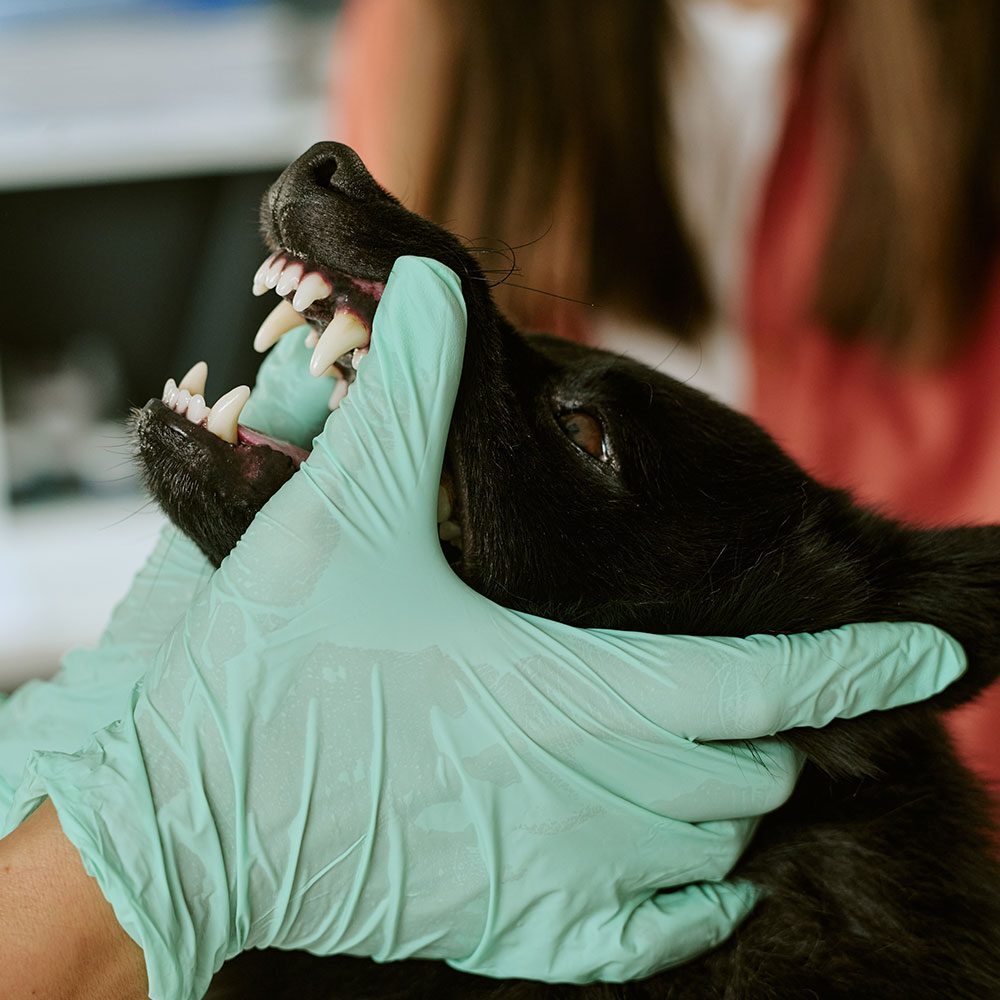
In dogs, common oral tumors include:
-
Malignant melanoma
-
Squamous cell carcinoma
-
Fibrosarcoma and other soft tissue sarcomas
-
Canine acanthomatous ameloblastoma
-
Bone tumors such as osteosarcoma, chondrosarcoma and others
-
Epitheliotropic lymphoma, plasma cell tumors, mast cell tumors and others
In cats, common oral tumors include:
-
Squamous cell carcinoma, by far the most frequent
-
Fibrosarcoma and other soft tissue sarcomas
-
Odontogenic tumors such as peripheral odontogenic fibroma and feline inductive odontogenic tumor
-
Lymphoma and other less common tumors
Signs of an Oral Tumor in Dogs and Cats
Some oral tumors are found during routine examinations before pets show any symptoms. Others cause noticeable changes such as:
- A lump or growth in the mouth
- Swelling along the gums, jaw, muzzle, or face
- Generalized severe redness of the gums/lips
- Persistent bad breath
- Bleeding from the mouth
- Excessive drooling
- Difficulty chewing or swallowing
- Dropping food while eating
- Loose teeth
- Pawing at the mouth
- Decreased appetite or weight loss
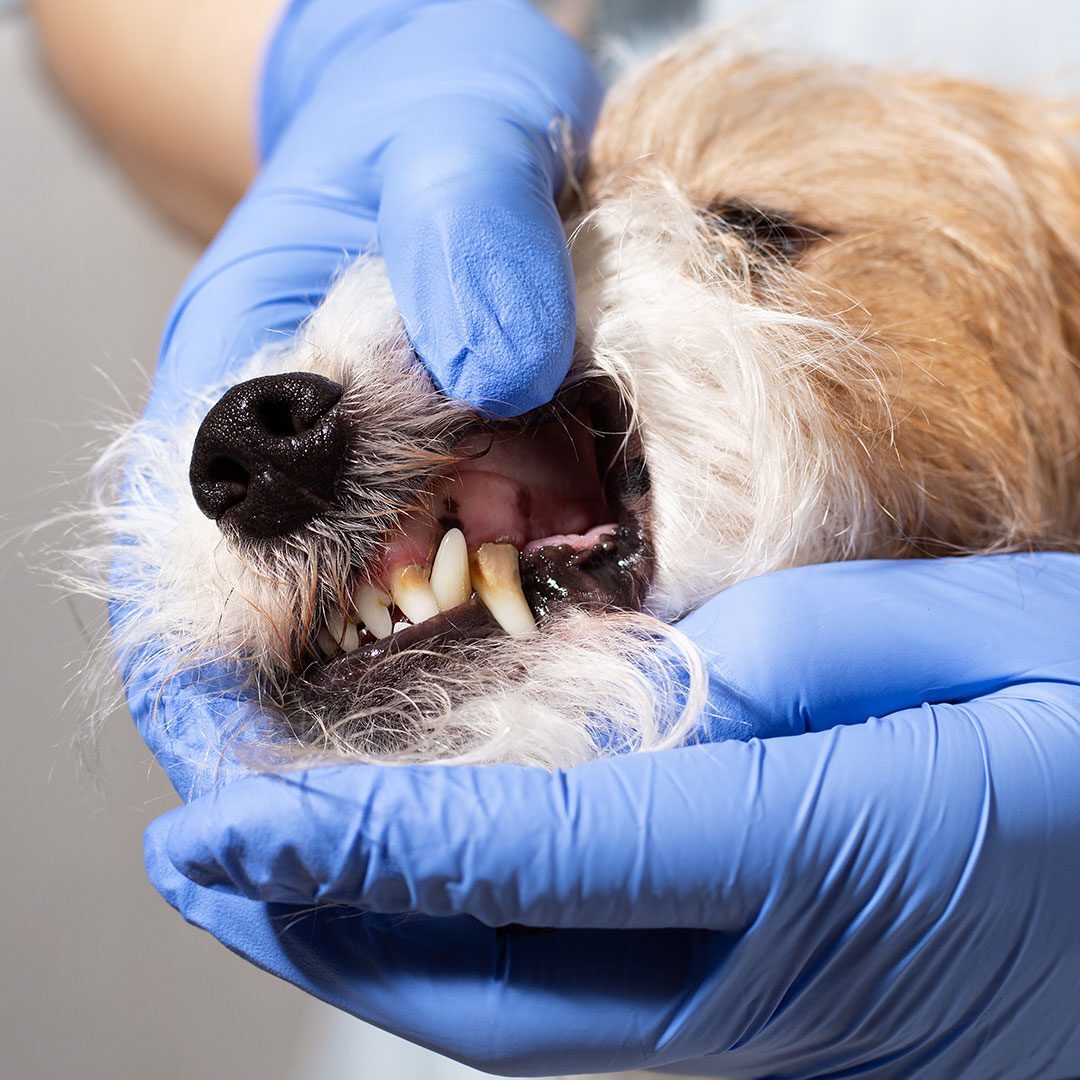
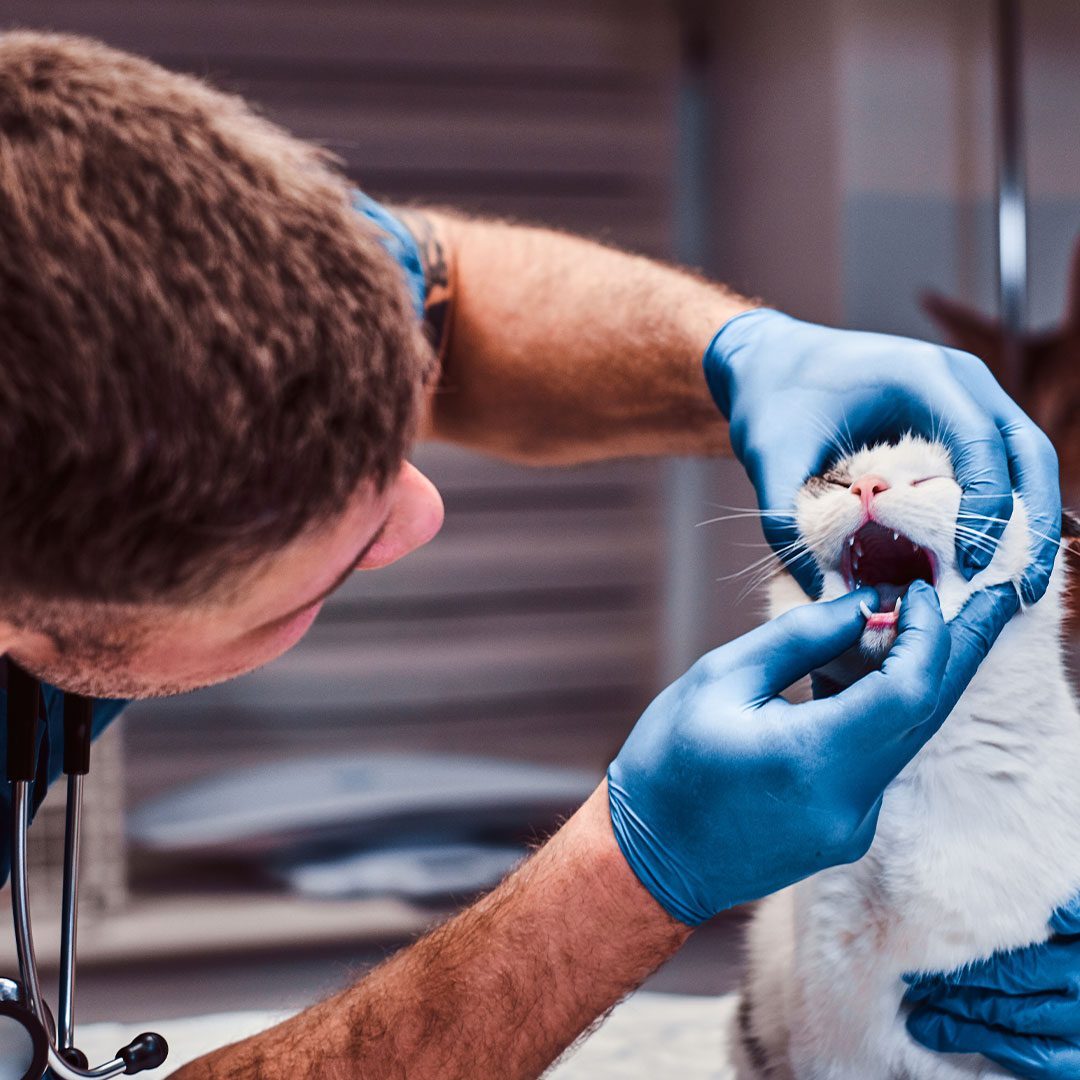
How Are Oral Tumors Diagnosed?
Evaluation begins with an oral examination and review of your pet’s medical history. Many oral tumors are like icebergs, because a significant portion often grows hidden beneath the surface tissue.
As part of a comprehensive evaluation, your specialist may recommend:
- Bloodwork to evaluate your pet’s overall health.
- Biopsy and pathology to identify the tumor type and help guide treatment planning.
- CT imaging to evaluate the tumor’s size, true extent, and involvement of the jaw or surrounding structures. A CT scan is often essential for surgical planning.
- Lymph node mapping and sampling when appropriate.
- Chest and abdominal imaging to look for signs that cancer has spread.
Cat and Dog Oral Tumor Treatment Options at Rise
Treatment of oral tumors in dogs and cats depends on the tumor type, location, size, extent of disease, and your pet’s overall health.
Surgery is an important treatment option for many oral tumors. The goal is to remove the tumor with an appropriate margin of normal tissue while preserving comfortable eating, drinking, jaw function, and quality of life whenever possible.
Surgical procedures may include:
- Mandibulectomy, or removal of part of the lower jaw
- Maxillectomy, or removal of part of the upper jaw
- Removal of tumors involving the lips, cheek, tongue, palate, or other soft tissues, with reconstruction when needed
Jaw, lip, or facial surgery can change facial symmetry. Your surgeon will explain the expected appearance and how the procedure may affect eating, drinking, grooming, comfort, and daily activity.
Some oral cancers may benefit from additional treatment before or after surgery, or when surgery is not the best option.
Depending on the diagnosis, our oncology team may recommend:
- Chemotherapy
- Immunotherapy with Gilvetmab and the canine melanoma vaccine
- Radiation therapy, when appropriate, through coordination with a radiation oncologist
- Molecularly targeted therapies such as Palladia and other tyrosine kinase inhibitors (TKIs)
- Tumor-specific electroporation (electrochemotherapy)
- Palliative and supportive care
Your oncologist will explain the goal of treatment and how each option may fit into your pet’s overall care plan.
What to Expect During Recovery After Oral Tumor Treatment
Recovery depends on the type of treatment your pet receives, the location of the tumor, and how much tissue is involved. Pets recovering from a smaller soft tissue procedure may have a relatively straightforward healing period, while those undergoing maxillectomy or mandibulectomy may need more time and support as they adjust.
During recovery, your pet may need:
-
Pain medication and other prescribed medications
-
Soft or modified food while the mouth heals
-
Temporary activity restrictions
-
Incision or oral surgery site monitoring
-
Follow-up visits to check healing
-
Additional oncology treatment or monitoring, depending on the diagnosis
Some swelling, changes in eating habits, or temporary difficulty managing food can occur after oral or jaw surgery. Many pets adapt well following partial jaw removal and gradually become more comfortable eating as healing progresses.
Our team will provide detailed home-care instructions and explain which changes are expected versus when you should contact us. We will also review your pet’s follow-up plan, including pathology results, additional treatment recommendations, and monitoring for recurrence when appropriate.
Special Considerations for Cats
Cats may take longer to resume normal eating after major oral surgery. A temporary feeding tube can provide nutrition, hydration, and medications while the mouth heals without preventing voluntary eating. Normal eating by mouth can occur while the temporary feeding tube is still in place. The feeding tube is simply a tool that can be utilized to make recovery easier. The tube is removed once your cat is consistently eating enough on their own.
Grooming is an important part of a cat’s daily routine. Jaw, lip, or tongue surgery can make grooming difficult, so owners may need to help with gentle brushing and keeping the face and coat clean during recovery. Some cats may need this assistance longer term.
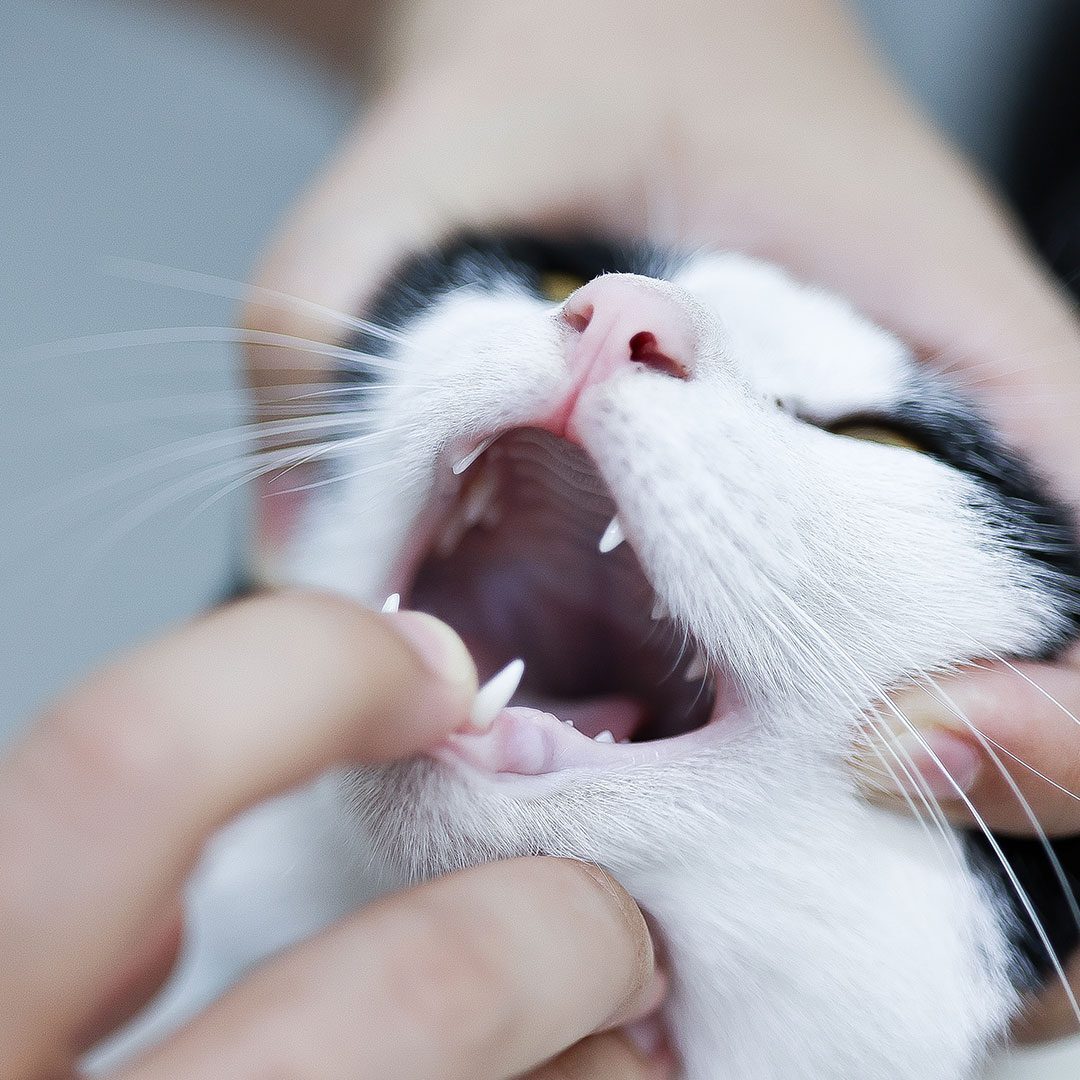
Collaborative Oral Cancer Care Under One Roof
Oral tumors often involve more than one specialty. At Rise Pet health, our oncology, surgery, and advanced imaging teams can work together to coordinate diagnosis and treatment. Pets also have access to internal medicine, critical care, and 24/7 emergency support when needed.
This collaborative approach allows our specialists to look at the full picture and develop a plan around your pet’s specific condition.
Frequently Asked Questions About Cat and Dog Oral Tumors
No. Dogs and cats can develop both benign and malignant oral tumors. A biopsy is often needed to determine exactly what type of growth is present.
No. Treatment depends on the tumor’s type, size, location, and involvement of surrounding tissues. Some tumors can be removed without removing part of the jaw. There are some uncommon tumors (such as epitheliotropic lymphoma) that are most often treated with either radiation therapy or chemotherapy.
Many dogs return to eating and drinking well after partial mandibulectomy or maxillectomy. Cats can also regain independent eating, but some may need more time or temporary feeding-tube support. Your surgeon will explain what to expect after the specific procedure.
Prognosis varies widely. Tumor type, location, size, spread, and response to treatment all influence the outlook. Your specialist can provide more individualized information after diagnostic testing and staging.
Learn More About Oral Tumors in Dogs and Cats
Explore additional resources from the Rise Pet Health team to learn more about specific oral tumors, symptoms, and diagnoses.
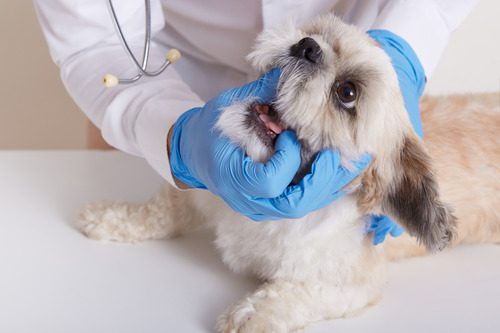
Mouth cancer in dogs is the abnormal, uncontrolled growth of cancerous cells in the gums, tongue, cheeks, lips, or jaw, and it’s one of the more common cancers seen in older dogs. Because the mouth plays such a central role in eating, grooming, and daily comfort, even a small tumor can quickly affect your dog’s…