

Rise Pet Health Tumor-Specific Electroporation (TSE) in Laguna Hills, CA
What Is Tumor-Specific Electroporation (TSE)?
Tumor-Specific Electroporation, or TSE, is a localized cancer treatment that uses brief, controlled electrical pulses to temporarily open the membranes of tumor cells. This allows cancer-fighting medication to enter those cells more effectively and concentrate treatment directly at the tumor site.
At Rise Pet Health, TSE may be used for certain tumors that are difficult to remove completely with surgery, located in sensitive areas, or would benefit from additional local tumor control. Treatment is performed under anesthesia and may be used on its own or as part of a broader cancer treatment plan.
Because every tumor behaves differently, our oncology team evaluates the type, size, location, and extent of the cancer before determining whether TSE is an appropriate option for your pet.
When TSE May Be a Good Option
- Tumors in delicate or hard-to-reach areas where surgery alone may not be ideal
- Cases where complete surgical margins are difficult to achieve
- As part of a broader cancer care plan alongside surgery, chemotherapy, or other therapies
- Select skin, oral, and soft tissue tumors that respond well to localized treatment
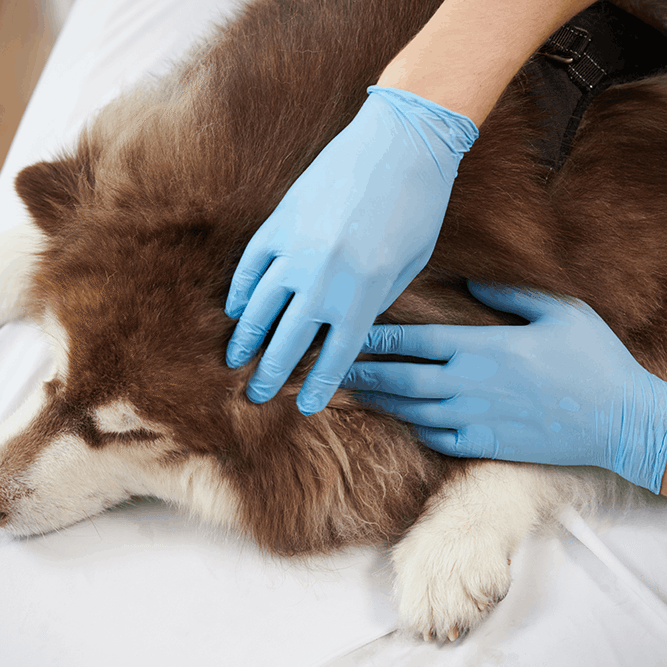

Safety and What to Expect
- Performed under general anesthesia for your pet's comfort
- Targeted treatment keeps the treatment focused in on the tumor site and minimizes side effects to the rest of the body
- Healthy tissue around the tumor is preserved
- Most pets return home the same day or after a short recovery
- Each patient is carefully evaluated by our board-certified oncologists to confirm the treatment is the right fit
Frequently Asked Questions
No. The treatment is performed under a light general anesthesia, so your pet won't feel the electrical pulses or the injection. Mild soreness or swelling at the treatment site is possible afterward and is typically managed with standard pain medications.
Most patients need one to three sessions, spaced a few weeks apart, though the exact plan depends on the tumor type, size, and location. Your oncologist will outline a personalized treatment schedule after evaluating your pet.
Side effects are usually mild and localized, such as temporary swelling, redness, or scabbing at the treatment site. Because the chemotherapy dose is small and concentrated at the tumor, the whole-body side effects seen with traditional chemotherapy (such as nausea or low blood counts) are uncommon.
Most pets go home the same day of treatment. Many return to their normal routines within 24 to 48 hours, though the treated area may take a few weeks to fully heal as the tumor responds.
TSE works best for certain tumor types, sizes, and locations. Our board-certified oncology team will review your pet's diagnosis, imaging, and overall health to determine whether this approach is appropriate, either on its own or alongside other treatments.